Alcohol use disorder (AUD) is a chronic medical condition characterized by an inability to control alcohol consumption despite negative consequences. Symptoms include strong cravings for alcohol, inability to limit drinking, withdrawal symptoms when not drinking, and continued use despite health, social, or occupational problems. The severity ranges from mild to severe based on the number of criteria met.
Alcoholism affects both physical and psychological health significantly. Physical effects include liver damage, cardiovascular problems, digestive issues, and increased risk of certain cancers. Psychological impacts encompass depression, anxiety, memory problems, and impaired decision-making abilities. These effects often worsen over time without proper intervention.
Professional medical treatment is crucial for safe and effective recovery. Healthcare providers can assess the severity of the condition, manage potentially dangerous withdrawal symptoms, and develop comprehensive treatment plans. In Canada, various treatment approaches are available including:
Medications play an important role in comprehensive treatment plans by helping manage withdrawal symptoms, reduce alcohol cravings, and support long-term recovery efforts when combined with counselling and lifestyle changes.
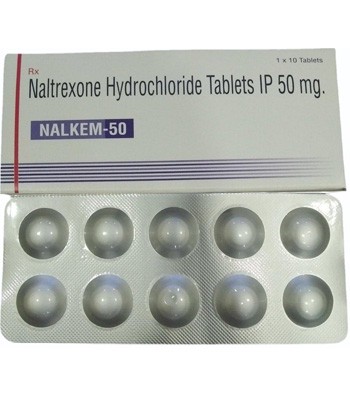
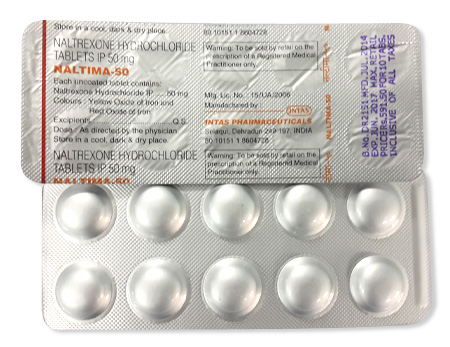
Naltrexone works by blocking opioid receptors in the brain, reducing the pleasurable effects of alcohol and diminishing cravings. Available in daily oral tablets or monthly injections, it's typically prescribed as part of a comprehensive treatment program. Patients must be alcohol-free for 7-10 days before starting treatment to avoid withdrawal complications.
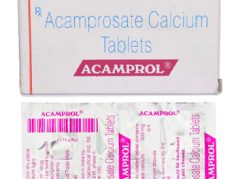
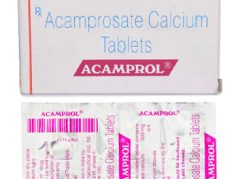
Acamprosate helps restore normal brain chemistry balance disrupted by chronic alcohol use. It reduces psychological distress and cravings during early recovery by stabilizing brain chemical activity. This medication is most effective when started after detoxification and continued for several months alongside counselling support.
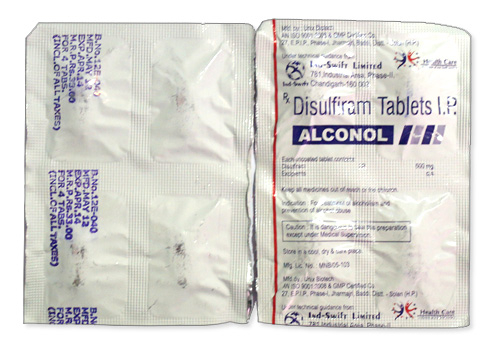
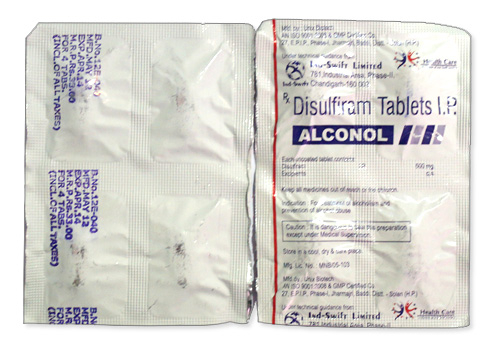
Disulfiram creates an aversion to alcohol by causing unpleasant physical reactions when alcohol is consumed, including nausea, headaches, and flushing. Patients must be committed to abstinence and understand the serious health risks of drinking while on this medication. Regular medical monitoring is essential.
Topiramate and gabapentin are increasingly prescribed off-label for alcohol dependence. These medications may help reduce drinking frequency and intensity while managing anxiety and sleep disturbances common in recovery.
All prescription medications for alcohol dependence require medical supervision and regular monitoring in Canada. Healthcare providers assess individual needs, monitor for side effects, and adjust treatment plans accordingly to ensure safe and effective recovery outcomes.
Alcohol withdrawal syndrome can present serious medical challenges that require proper pharmaceutical management under professional supervision. The withdrawal process typically involves a range of symptoms including tremors, anxiety, nausea, sweating, and in severe cases, seizures or delirium tremens. Medical supervision during detoxification is crucial, as withdrawal complications can be life-threatening without appropriate intervention.
Healthcare providers in Canada commonly prescribe benzodiazepines such as lorazepam and diazepam to manage withdrawal symptoms safely. These medications help control anxiety, prevent seizures, and reduce the overall discomfort associated with alcohol cessation. Thiamine and B-vitamin supplementation are essential components of withdrawal management, as chronic alcohol use often leads to severe nutritional deficiencies that can result in serious neurological complications.
The withdrawal timeline typically follows predictable phases, beginning within 6-12 hours after the last drink and potentially lasting several days to weeks. Anti-seizure medications may be prescribed when patients have a history of withdrawal seizures or present with high-risk factors. Proper pharmaceutical support during this critical period significantly improves safety outcomes and treatment success rates.
Chronic alcohol consumption severely depletes essential vitamins and minerals, making nutritional supplementation a cornerstone of recovery treatment. Vitamin B complex deficiency is particularly common among individuals with alcohol use disorder, affecting multiple bodily systems and cognitive function. These deficiencies require targeted pharmaceutical intervention to prevent long-term health complications.
Thiamine (Vitamin B1) supplementation is critical for preventing serious neurological complications such as Wernicke-Korsakoff syndrome. Healthcare providers typically prescribe high-dose thiamine during the acute phase of treatment, often administered intravenously in hospital settings. Folic acid supplementation addresses megaloblastic anemia and supports proper DNA synthesis, while magnesium replacement helps restore electrolyte balance and supports cardiovascular health.
Sleep aids may be prescribed to address insomnia during recovery, as proper rest is essential for healing. Anti-anxiety medications can help manage co-occurring anxiety disorders that often accompany alcohol use disorder, providing comprehensive pharmaceutical support throughout the recovery journey.
Several over-the-counter supplements may support recovery from alcoholism when used alongside professional treatment. These natural options can help address specific symptoms and support overall health during the recovery process.
Milk thistle is widely recognized for its liver-protective properties, helping to support liver function that may have been compromised by alcohol use. N-acetylcysteine (NAC) shows promise in reducing alcohol cravings while also supporting liver detoxification processes.
Traditional remedies like kudzu extract have been used for centuries to reduce alcohol cravings. L-glutamine, an amino acid, may help stabilize blood sugar and reduce the urge to drink. For those experiencing sleep disturbances common in early recovery, melatonin can help regulate sleep cycles.
Multivitamins specifically formulated for addiction recovery address common nutritional deficiencies, particularly B-vitamins, thiamine, and folate. These specialized formulations support brain function and overall health restoration.
Always consult with a pharmacist or healthcare provider before starting any supplements, as they may interact with prescribed medications or other treatments. Natural doesn't always mean safe, especially during active treatment.
Seeking help for alcoholism in Canada involves navigating various healthcare options and support systems. Understanding available resources and coverage options can make treatment more accessible and effective.
Begin by speaking openly with your family doctor or a walk-in clinic physician about your alcohol use. Healthcare providers in Canada are trained to approach addiction with compassion and confidentiality. They can assess your situation, discuss treatment options, and provide referrals to specialized addiction services.
Most provinces provide coverage for addiction treatment through their health insurance plans. This typically includes:
Effective alcoholism treatment combines medication with counselling, support groups, and lifestyle changes. Many communities offer Alcoholics Anonymous meetings, SMART Recovery programs, and family support services.
Regular follow-ups with healthcare providers ensure treatment plans remain effective. For immediate help during a crisis, contact your local emergency services, addiction helpline, or visit the nearest emergency department. Remember that withdrawal from alcohol can be medically dangerous and should be supervised by healthcare professionals.