Over-the-counter (OTC) analgesics are medications available without a prescription that help manage pain and reduce inflammation. These accessible pain relief options serve as the first line of defence for many Canadians dealing with everyday aches and discomfort. OTC analgesics work through different mechanisms to block pain signals, reduce inflammation, or lower fever, making them versatile solutions for various health concerns.
These medications effectively treat numerous common conditions that affect daily life. Whether you're experiencing tension headaches from a stressful day, muscle pain after physical activity, arthritis-related joint discomfort, or menstrual cramps, OTC analgesics can provide meaningful relief. They're particularly valuable for managing acute pain episodes and chronic conditions where ongoing pain management is necessary.
Canadian pharmacies stock several trusted brands that have proven their effectiveness over decades of use:
Proper dosage adherence is crucial for safe and effective pain management. Always follow package directions, respect maximum daily limits, and maintain appropriate intervals between doses. Consider your age, weight, and any existing health conditions when selecting an appropriate product. Never exceed recommended dosages, as this can lead to serious health complications.
Choose OTC options when dealing with mild to moderate pain, short-term discomfort, or well-understood chronic conditions. However, consult healthcare professionals for severe pain, symptoms lasting more than several days, or when OTC medications aren't providing adequate relief.
Acetaminophen works differently from other pain relievers by targeting pain and fever centres in the brain rather than reducing inflammation at the injury site. This unique mechanism makes it particularly effective for certain types of discomfort while being gentler on the stomach than anti-inflammatory medications. It blocks the production of prostaglandins in the central nervous system, which helps reduce pain perception and lower elevated body temperatures.
Acetaminophen excels at fever reduction and mild to moderate pain relief, making it an excellent choice for headaches, dental pain, back pain, and cold or flu symptoms. It's particularly beneficial for individuals who cannot tolerate anti-inflammatory medications due to stomach sensitivity, blood-thinning medication interactions, or certain medical conditions like kidney disease.
Canadian consumers can choose from several reliable acetaminophen brands, including Tylenol (the most recognised brand), Panadol, and Tempra. These products come in various formulations to meet different needs: regular strength (325mg) for mild pain, extra strength (500mg) for more significant discomfort, and extended-release formulations for longer-lasting relief throughout the day or night.
While generally safe when used correctly, acetaminophen requires careful attention to dosing limits to protect liver health. Adults should never exceed 4,000mg in 24 hours, and those with liver conditions, heavy alcohol use, or taking other acetaminophen-containing medications should consult healthcare providers before use. Always check other medications for acetaminophen content to avoid accidental overdose.
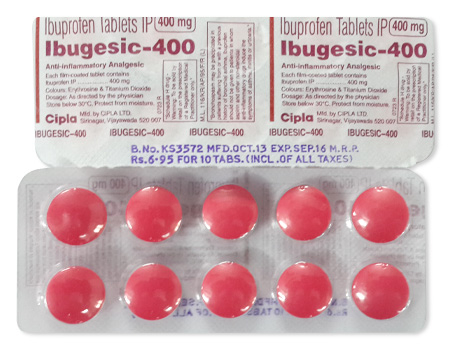
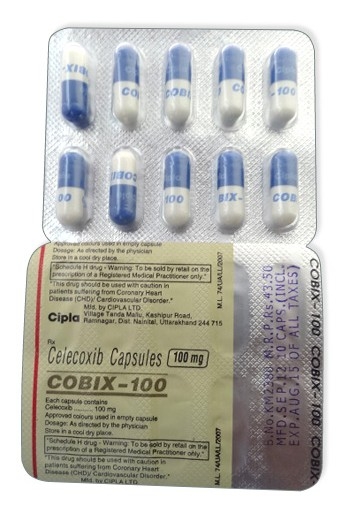
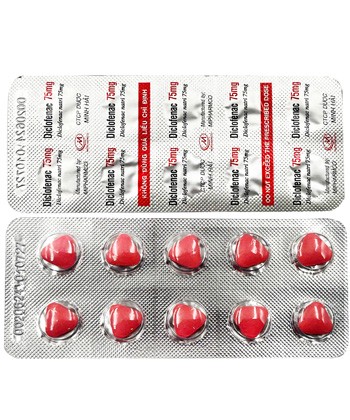
Non-Steroidal Anti-Inflammatory Drugs (NSAIDs) are among the most commonly used analgesics in Canada, offering effective relief from both pain and inflammation. These medications work by inhibiting cyclooxygenase (COX) enzymes, which are responsible for producing prostaglandins—chemical compounds that cause inflammation, pain, and fever. By blocking this pathway, NSAIDs provide dual benefits of pain relief and reduced inflammatory response.
Canadian pharmacies stock several types of NSAIDs, each with unique characteristics. The most widely available options include:
These medications are particularly effective for inflammatory conditions such as arthritis, muscle strains, headaches, and menstrual cramps. Their anti-inflammatory properties make them superior to acetaminophen for conditions involving swelling and inflammation.
While NSAIDs are generally safe when used as directed, they require careful consideration of potential risks. Gastrointestinal precautions include avoiding use on an empty stomach and being aware of ulcer risks, especially with prolonged use. Cardiovascular considerations are important for individuals with heart conditions or high blood pressure. NSAIDs can interact with blood thinners, certain blood pressure medications, and other prescription drugs. Always consult with your pharmacist about potential drug interactions and contraindications, particularly if you have kidney disease, heart conditions, or are taking multiple medications.
Topical pain relief products offer significant advantages over oral medications by delivering active ingredients directly to the affected area. This targeted approach minimizes systemic absorption, reducing the risk of side effects while providing concentrated relief where it's needed most. Topical analgesics are particularly beneficial for individuals who cannot tolerate oral pain medications or prefer localized treatment options.
Canadian topical pain relievers contain various active ingredients, each working through different mechanisms:
Topical analgesics are available in multiple convenient formats including creams for easy absorption, gels for non-greasy application, patches for sustained release, and sprays for hard-to-reach areas. Popular Canadian brands include Aspercreme for arthritis pain, Bengay for muscle soreness, Voltaren Emulgel for inflammatory conditions, and Salonpas patches for targeted relief. These products are most effective for localized pain conditions such as muscle soreness, joint stiffness, minor arthritis pain, and sports-related injuries, providing relief without the systemic effects associated with oral medications.
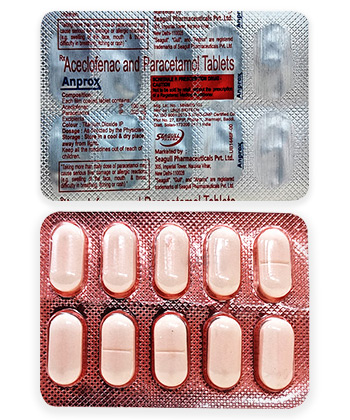
Combination analgesics offer enhanced pain relief by combining multiple active ingredients that work through different mechanisms. These multi-ingredient formulations can provide more effective pain management than single-ingredient products for certain conditions, often with the convenience of taking fewer pills.
Common combinations available in Canadian pharmacies include acetaminophen with caffeine, which enhances pain relief effectiveness, and dual-action formulas that combine different types of analgesics. ASA with caffeine is particularly effective for headaches, while acetaminophen-ibuprofen combinations provide both anti-inflammatory and analgesic benefits.
Many combination products are specifically formulated for particular pain conditions. Migraine-specific formulas often contain acetaminophen, ASA, and caffeine. Menstrual pain relievers may combine ibuprofen with antihistamines or mild muscle relaxants. Back pain formulations might include anti-inflammatory ingredients with topical analgesics.
Combination products are most effective when dealing with complex pain involving multiple pathways, such as tension headaches, menstrual cramps, or muscular pain with inflammation. Always read labels carefully to avoid doubling up on active ingredients when taking multiple medications.
Selecting the appropriate analgesic requires careful consideration of several factors including the type and severity of pain, its duration, and your individual health profile. Acute pain from injuries often responds well to NSAIDs like ibuprofen, while chronic pain may be better managed with acetaminophen to minimize long-term side effects.
Different age groups require specific considerations when choosing analgesics. Children should never receive ASA due to Reye's syndrome risk, making acetaminophen and ibuprofen the safer choices with proper dosing. Adults can generally use any over-the-counter analgesic as directed, while seniors need extra caution with NSAIDs due to increased risks of gastrointestinal and cardiovascular complications.
Consult healthcare providers before using analgesics if you have liver disease, kidney problems, heart conditions, or take blood thinners. Seek immediate medical attention for severe pain, signs of allergic reactions, or if pain persists beyond recommended treatment duration. Understanding active ingredients helps prevent accidental overdoses when taking multiple pain relief products.