Allergies occur when your immune system overreacts to normally harmless substances, triggering symptoms that can range from mild discomfort to severe reactions. When exposed to allergens, your body releases histamine and other chemicals, causing inflammation and the characteristic symptoms of sneezing, itching, runny nose, and watery eyes.
Canadian residents commonly encounter specific allergens throughout the year. Spring and summer bring high pollen counts from trees, grasses, and weeds, while indoor allergens like dust mites, pet dander, and mould spores can trigger year-round symptoms. Food allergens, including peanuts, shellfish, and dairy products, affect millions of Canadians and require careful management.
Antiallergic medications work by blocking or reducing your body's allergic response. These treatments can prevent histamine release, reduce inflammation, or block the receptors that trigger allergic symptoms. Understanding the different types of allergic reactions helps determine the most appropriate treatment:
Seek antiallergic treatment when symptoms interfere with daily activities, sleep, or overall quality of life, or if you experience severe reactions.
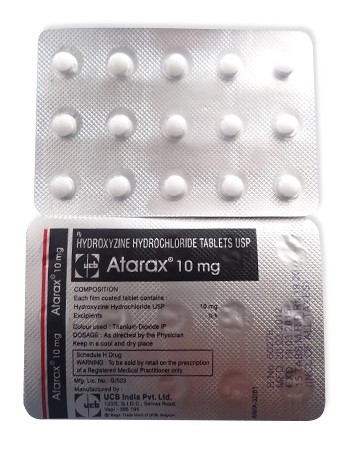
Antihistamines are the most commonly used antiallergic medications, working by blocking histamine receptors in your body to prevent or reduce allergic symptoms. These medications are available in two main categories, each with distinct characteristics and benefits for Canadian consumers.
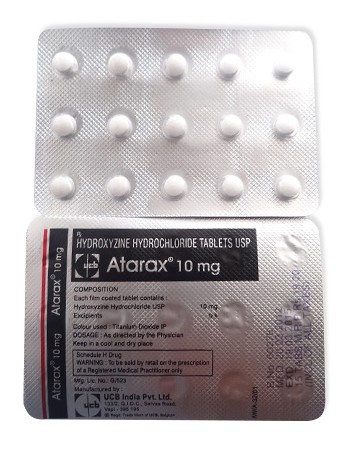
First-generation antihistamines have been trusted allergy treatments for decades. Diphenhydramine, found in Benadryl, provides fast-acting relief for acute allergic reactions but commonly causes drowsiness. Chlorpheniramine, available as Chlor-Tripolon, offers effective symptom control with slightly less sedating effects. These medications work quickly but typically require more frequent dosing throughout the day.
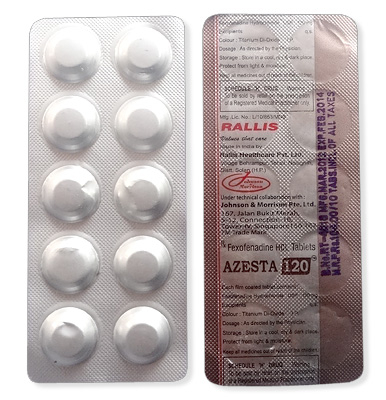
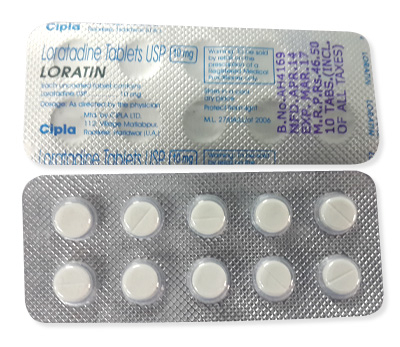
Modern second-generation antihistamines provide 24-hour relief with minimal drowsiness. Loratadine (Claritin) offers once-daily dosing for seasonal and year-round allergies. Cetirizine (Reactine) provides powerful symptom relief and works particularly well for skin allergies. Fexofenadine (Allegra) delivers non-drowsy relief and doesn't interact with common foods or beverages.
When selecting antihistamines, consider your lifestyle and symptom severity. Non-drowsy formulations are ideal for daytime use, work, and driving. Always follow dosage guidelines on packaging, and consult healthcare providers before combining with other medications. Children's formulations require age-appropriate dosing for safety and effectiveness.
Nasal sprays and decongestants provide targeted relief for congestion, runny nose, and sinus pressure caused by allergies. These medications work directly at the source of nasal symptoms, offering faster and more concentrated relief than oral alternatives.
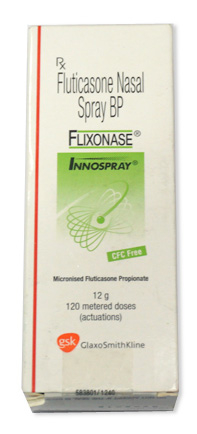
Corticosteroid nasal sprays are considered the gold standard for allergic rhinitis treatment. Fluticasone (Flonase) and budesonide (Rhinocort) are widely available over-the-counter options that reduce inflammation in nasal passages. These sprays are most effective when used daily during allergy season, even before symptoms appear.
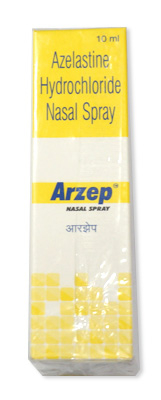
Azelastine (Astelin) offers rapid relief by blocking histamine directly in the nasal cavity. This prescription nasal spray works within minutes and is particularly effective for sudden allergy attacks or breakthrough symptoms.
Pseudoephedrine-based products remain highly effective for severe congestion, though they require pharmacy consultation due to provincial regulations. Phenylephrine alternatives provide easier access with fewer restrictions while still offering meaningful congestion relief.
Allergic reactions often affect the eyes, causing redness, itching, and excessive tearing. Specialized eye drops and topical treatments provide targeted relief while maintaining the delicate balance of ocular health.
Ketotifen (Zaditor) and olopatadine (Patanol) are highly effective antihistamine eye drops specifically formulated for allergic conjunctivitis. These drops work quickly to reduce itching, redness, and watery eyes while providing long-lasting protection against allergen exposure. Ketotifen is available over-the-counter, making it a convenient first-line treatment option.
Proper application ensures maximum effectiveness and prevents contamination. Always wash hands before use, avoid touching the dropper tip to any surface, and wait at least 5 minutes between different eye medications. Remove contact lenses before application and wait 10 minutes before reinserting.
Combination products address multiple allergy symptoms simultaneously, while topical treatments for skin allergies complement eye care for comprehensive relief.
Cromoglycate products work by preventing mast cells from releasing histamine and other inflammatory substances. These medications are particularly effective for preventing allergic reactions when used consistently. Sodium cromoglycate is available in various forms including nasal sprays, eye drops, and inhalers, making it suitable for treating different types of allergic conditions. These treatments are especially beneficial for individuals with exercise-induced allergies or those who need long-term prevention strategies.
Montelukast represents an important class of allergy medications that work by blocking leukotrienes, substances that cause inflammation and allergic symptoms. This prescription medication is particularly effective for managing asthma-related allergies and can be used in conjunction with other antihistamines. Healthcare providers carefully consider dosing and potential side effects when prescribing montelukast, especially for pediatric patients.
Emergency allergy medications include epinephrine auto-injectors like EpiPen, which are life-saving devices for severe allergic reactions. Natural alternatives such as quercetin supplements and saline rinses provide gentler options for some individuals. The choice between prescription and over-the-counter treatments depends on symptom severity and individual response to medications.
Selecting appropriate antiallergic medications requires careful consideration of multiple factors including symptom severity, frequency of allergic episodes, and individual health conditions. Age plays a crucial role, with specialized formulations available for children and modified dosing for seniors. Healthcare professionals evaluate potential drug interactions, especially for patients taking multiple medications or those with underlying health conditions.
Effective allergy management often involves combining different medications safely under professional guidance. Key considerations include:
Consulting healthcare professionals becomes essential when symptoms persist despite treatment, when experiencing severe reactions, or when managing complex allergy combinations. Canadian healthcare providers can help navigate both prescription options and recommend appropriate over-the-counter alternatives while considering provincial insurance coverage and cost-effective treatment strategies.