Antibacterial medications are powerful pharmaceutical agents designed to combat bacterial infections by either killing bacteria or inhibiting their growth and reproduction. These medications work through various mechanisms, including disrupting bacterial cell walls, interfering with protein synthesis, or blocking essential metabolic pathways that bacteria need to survive and multiply.
While the terms "antibiotics" and "antibacterials" are often used interchangeably, antibiotics technically refer to naturally occurring substances that fight bacteria, whereas antibacterials encompass both natural and synthetic compounds. In Canada, antibacterial medications are available through two primary channels: prescription medications dispensed by licensed pharmacists following a physician's assessment, and over-the-counter topical preparations for minor skin infections.
These medications effectively treat a wide range of bacterial infections, including:
Proper usage of antibacterial medications is crucial for treatment success and preventing antibiotic resistance. Patients must complete the entire prescribed course, even if symptoms improve before finishing the medication. Taking antibacterials exactly as prescribed, at regular intervals, and never sharing medications with others helps ensure optimal therapeutic outcomes while protecting public health.
Canadian pharmacies stock several distinct classes of antibacterial medications, each targeting bacteria through unique mechanisms of action. Understanding these categories helps healthcare providers select the most appropriate treatment for specific bacterial infections.
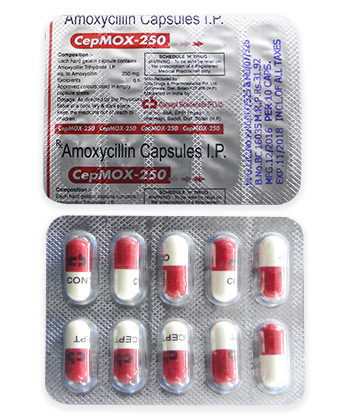
Penicillins represent one of the most widely prescribed antibacterial classes in Canada. Amoxicillin treats common infections like ear infections, sinusitis, and strep throat, while ampicillin effectively manages urinary tract and respiratory infections. These medications work by disrupting bacterial cell wall formation.
Cephalexin and cefixime belong to this broad-spectrum class, offering excellent coverage against both gram-positive and gram-negative bacteria. Canadian physicians frequently prescribe these for skin infections, pneumonia, and uncomplicated urinary tract infections.
Azithromycin and clarithromycin provide valuable alternatives for patients with penicillin allergies. These medications excel in treating respiratory tract infections, including atypical pneumonia and whooping cough, by inhibiting bacterial protein synthesis.
Ciprofloxacin and levofloxacin offer potent broad-spectrum coverage, particularly effective against complicated urinary tract infections, certain gastrointestinal infections, and respiratory tract infections in adults.
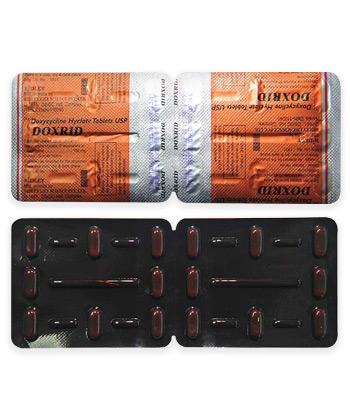
Doxycycline and minocycline treat acne, Lyme disease, and certain sexually transmitted infections. Sulfonamide combinations provide cost-effective treatment for urinary tract infections and some respiratory conditions across Canada.
Antibacterial medications are prescribed to treat a wide range of bacterial infections affecting different parts of the body. Understanding these conditions helps patients recognize when professional medical attention may be necessary and ensures appropriate treatment decisions are made by qualified healthcare providers.
Respiratory infections are among the most frequently treated conditions with antibacterials. These include pneumonia, which affects the lungs and can be serious if left untreated, bronchitis involving inflammation of the bronchial tubes, and sinusitis affecting the nasal passages and surrounding areas. Healthcare providers carefully evaluate symptoms to determine whether bacterial or viral causes are responsible, as antibacterials are only effective against bacterial infections.
Urinary tract infections (UTIs) frequently require antibacterial treatment, particularly affecting women more commonly than men. Skin and soft tissue infections, including cellulitis and wound infections, respond well to appropriate antibacterial therapy when properly diagnosed.
Additional conditions commonly treated include:
In Canada, healthcare providers follow established clinical guidelines to ensure antibacterials are prescribed appropriately. This careful approach helps maintain the effectiveness of these important medications while minimizing the development of antibiotic resistance. Patients should always consult with their healthcare provider or pharmacist when experiencing symptoms that may indicate a bacterial infection, rather than attempting self-diagnosis or treatment.
Following proper usage guidelines is essential for antibacterial medications to work effectively and safely. Adherence to prescribed protocols ensures optimal treatment outcomes while minimizing potential risks and side effects.
Take antibacterials exactly as prescribed by your healthcare provider, following the specific dosage and timing instructions on the medication label. Some antibacterials require taking with food to reduce stomach irritation, while others should be taken on an empty stomach for better absorption. Your pharmacist can provide specific guidance about food requirements for your particular medication.
Complete the entire prescribed course of antibacterials, even if you begin feeling better before finishing all doses. Stopping treatment early can lead to incomplete elimination of bacteria and potentially contribute to antibiotic resistance. This practice protects both your health and public health outcomes across Canada.
Store antibacterials according to package instructions, typically in a cool, dry place away from children and pets. Check expiration dates regularly and dispose of expired medications through appropriate pharmacy take-back programmes available throughout Canada.
Important safety measures include:
Contact your healthcare provider if you experience severe side effects, miss multiple doses, or have questions about your treatment plan.
Antibacterial medications can cause various side effects, ranging from mild to severe. Understanding these potential reactions helps ensure safe and effective treatment while monitoring for any concerning symptoms.
Most patients tolerate antibiotics well, but some may experience mild side effects including:
Seek immediate medical attention if you experience severe allergic reactions, persistent diarrhea with blood, severe abdominal pain, difficulty breathing, or swelling of the face and throat. These symptoms may indicate serious complications requiring prompt medical intervention.
Children and elderly patients may require adjusted dosages and closer monitoring. Pregnant and breastfeeding women should only use antibiotics under medical supervision, as some medications can affect fetal development or pass into breast milk. Healthcare providers carefully weigh benefits against potential risks when prescribing for these populations.
Completing the full course of treatment, even when feeling better, helps prevent antibiotic resistance. Never share antibiotics or save leftover medication, as this contributes to bacterial resistance and reduces treatment effectiveness for future infections.
Obtaining antibacterial medications in Canada requires proper medical consultation and follows specific regulatory guidelines to ensure safe and appropriate use of these important therapeutic agents.
All antibacterial medications require a valid prescription from a licensed healthcare provider in Canada. This includes consultations with family doctors, walk-in clinic physicians, or specialists who can properly diagnose bacterial infections and prescribe appropriate treatment based on individual medical history and current symptoms.
Most provincial health plans cover medically necessary antibiotics, though coverage varies by province. Patients should verify their specific coverage through their provincial health authority. Some newer or specialized antibiotics may require prior authorization or may not be fully covered under standard formularies.
Generic antibiotics offer cost-effective alternatives to brand name medications with equivalent therapeutic effects. Licensed Canadian online pharmacies provide convenient access to prescribed antibiotics, following strict regulatory requirements for verification and dispensing. These services must comply with provincial pharmacy regulations and require valid prescriptions.
For urgent situations outside regular hours, hospital emergency departments and some urgent care centres can provide antibiotic prescriptions. Many provinces also offer telehealth services for non-emergency consultations, helping patients access appropriate care when traditional medical offices are closed.