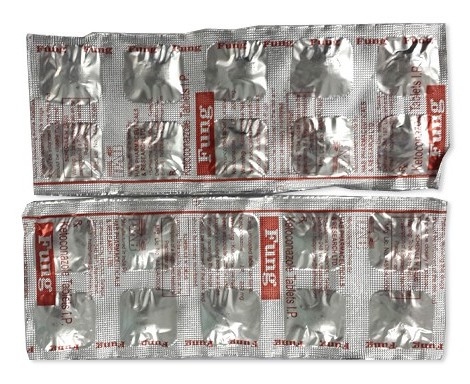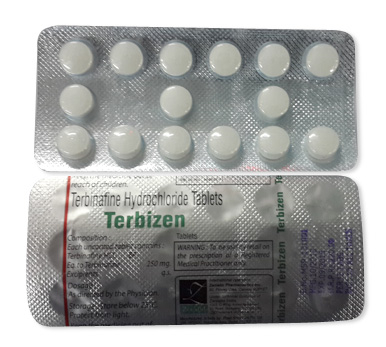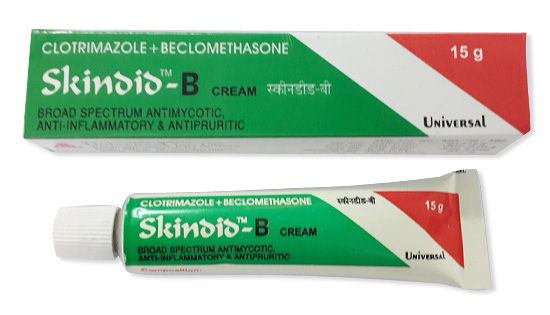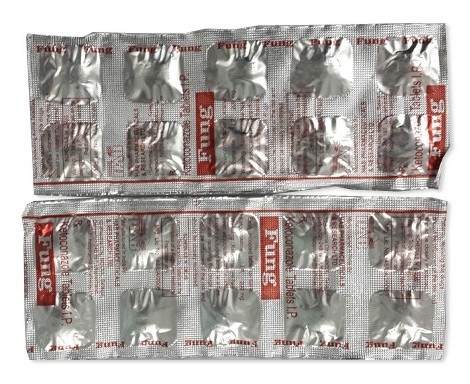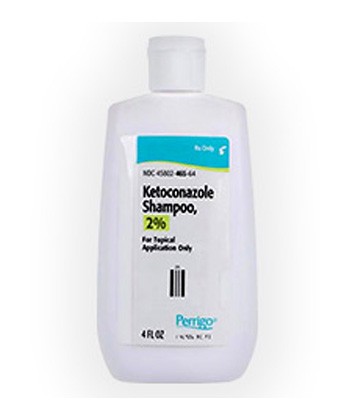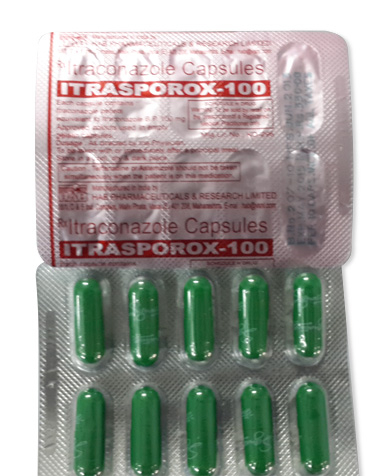
Antifungal medications are specialized treatments designed to combat fungal infections by targeting the cell walls and membranes of fungi, preventing their growth and reproduction. These medications work by disrupting essential cellular processes that fungi need to survive, effectively eliminating the infection at its source.
In Canada, antifungals are commonly used to treat a wide range of fungal conditions affecting millions of Canadians annually. The choice between topical and systemic antifungals depends on the infection's severity and location. Topical antifungals, such as creams and ointments, are applied directly to affected skin areas and work locally. Systemic antifungals are taken orally or administered intravenously for more serious or widespread infections.
It's important to consult a healthcare provider when symptoms persist beyond two weeks, worsen despite treatment, or if you have diabetes, a compromised immune system, or recurring infections.
Common skin-related fungal infections include athlete's foot (affecting feet and toes), ringworm (circular, scaly patches on various body parts), and jock itch (groin area infections). These conditions thrive in warm, moist environments and are particularly common during Canada's humid summer months.
Onychomycosis affects toenails and fingernails, causing thickening, discolouration, and brittleness. Scalp infections, more common in children, can cause hair loss and scaling.
Candidiasis affects mucous membranes and can occur in the mouth, throat, or genital areas. Women frequently experience vaginal yeast infections.
Common symptoms to watch for include:
Canadian pharmacies offer a comprehensive range of over-the-counter topical antifungal treatments for common fungal infections. These medications are readily available without prescription and provide effective relief for conditions like athlete's foot, jock itch, and ringworm.
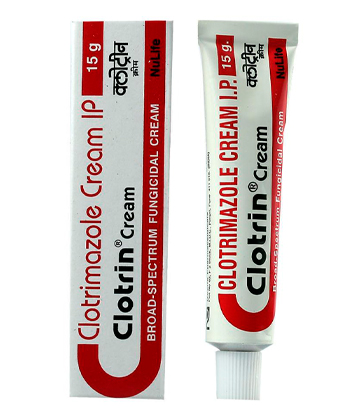
The most trusted topical antifungals include clotrimazole (Canesten), miconazole (Micatin), and terbinafine (Lamisil). These well-established Canadian brand names have proven efficacy and are recommended by healthcare professionals across the country.
Most topical treatments require twice-daily application to clean, dry skin. Treatment duration typically ranges from 2-4 weeks, with continued use for one week after symptoms disappear to prevent recurrence. For persistent or severe fungal infections that don't respond to over-the-counter options, prescription topical medications with stronger concentrations may be necessary. Always consult your pharmacist or healthcare provider for proper application techniques and to ensure you're using the most appropriate treatment for your specific condition.
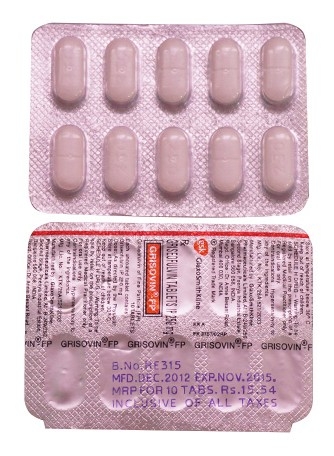
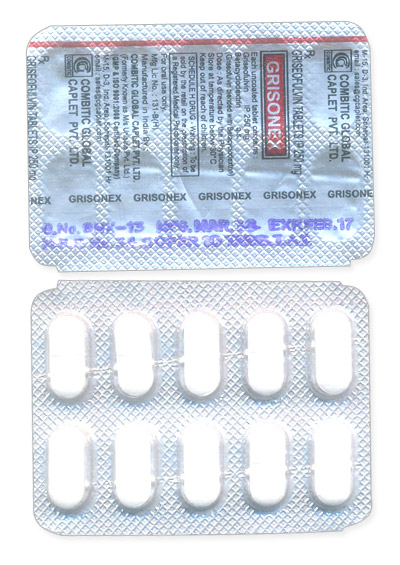
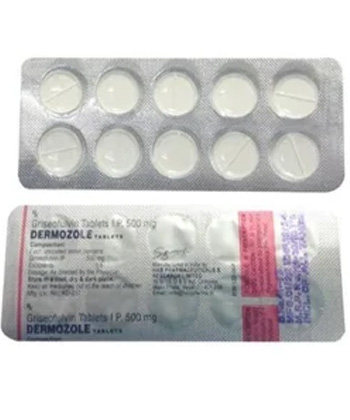
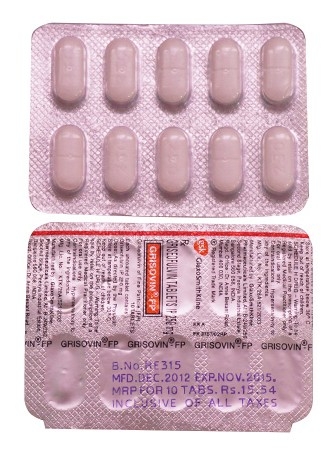
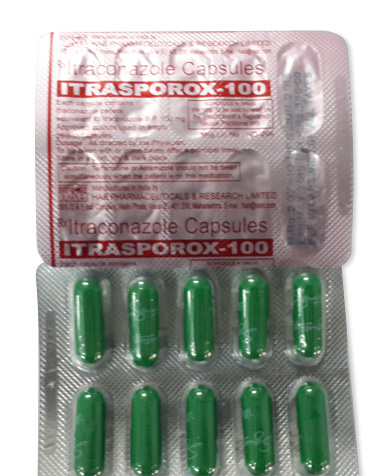
When topical treatments prove insufficient, prescription oral antifungal medications offer a more systemic approach to combating fungal infections. These powerful medications are particularly effective for widespread or persistent infections that resist topical therapy.
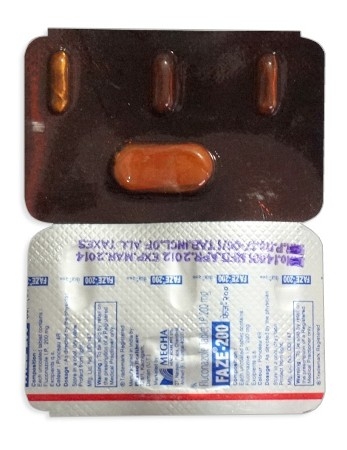
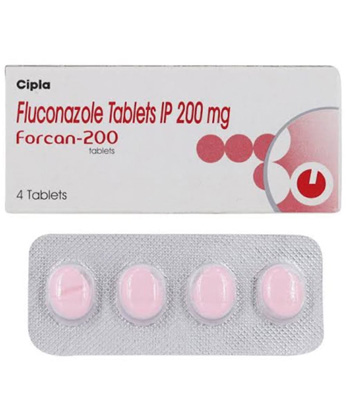
Canadian physicians commonly prescribe fluconazole for yeast infections, itraconazole for various fungal conditions, and oral terbinafine tablets for nail fungal infections. Each medication targets specific types of fungi and infection sites.
Treatment duration varies significantly, from single-dose therapy for some yeast infections to several months for nail infections. While highly effective, oral antifungals may cause side effects including nausea, headache, or liver function changes. They can also interact with other medications, making consultation with your healthcare provider essential before starting treatment.
Selecting the appropriate antifungal medication depends on several key factors including the type and severity of infection, affected body area, and your medical history. Consider whether you need a topical cream for skin conditions or oral medication for systemic infections. Your age, pregnancy status, and existing health conditions also influence treatment choice.
Consulting with pharmacists and healthcare providers ensures you receive the most effective treatment. Canadian pharmacists can recommend over-the-counter options and advise when prescription medications are necessary. They'll also review potential drug interactions with your current medications.
Cost considerations vary across provinces, with some antifungals covered under provincial health plans or private insurance. Generic options often provide similar effectiveness at lower costs. Prevention strategies include maintaining proper hygiene, keeping affected areas dry, wearing breathable fabrics, and avoiding sharing personal items like towels or footwear.
Always follow dosage instructions and complete the full treatment course, even if symptoms improve early. Apply topical antifungals to clean, dry skin and wash hands thoroughly afterward to prevent spreading infection.
Seek immediate medical attention if you experience severe allergic reactions, persistent symptoms after treatment completion, or worsening conditions. Store antifungals in cool, dry places away from children, and check expiry dates regularly. Never share medications with others, as infections may appear similar but require different treatments.