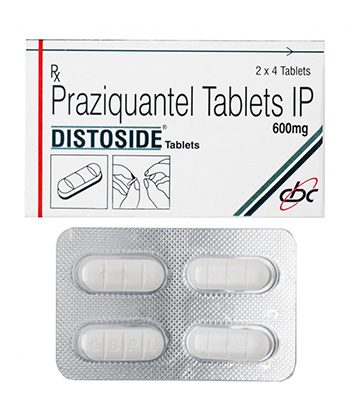
Parasites are organisms that live on or inside a host organism, deriving nutrients while potentially causing harm to their host. In the human body, parasites can affect various organs and systems, leading to a range of health complications from mild discomfort to serious medical conditions. These unwelcome invaders can disrupt normal bodily functions, compromise the immune system, and cause nutritional deficiencies.
In Canada, several types of parasitic infections are commonly encountered. Intestinal parasites such as pinworms, roundworms, and hookworms are frequently diagnosed, particularly in children and individuals in close-contact environments. Giardiasis, caused by Giardia lamblia, is another prevalent infection often contracted through contaminated water sources. Additionally, Canadians travelling abroad may return with parasites like tapeworms or more exotic infections acquired in tropical regions.
Recognizing parasitic infections can be challenging as symptoms often mimic other conditions. Common indicators include persistent digestive issues, unexplained fatigue, abdominal pain, changes in bowel movements, and unusual weight loss. Some infections may cause itching, particularly around the anal area in cases of pinworm infection.
Risk factors for parasitic infections include poor hygiene practices, consumption of contaminated food or water, close contact with infected individuals, and travel to areas with inadequate sanitation. Children in daycare settings and individuals with compromised immune systems face higher risks.
Proper medical diagnosis through stool samples, blood tests, or other appropriate diagnostic methods is essential before beginning any treatment regimen to ensure effective and targeted therapy.
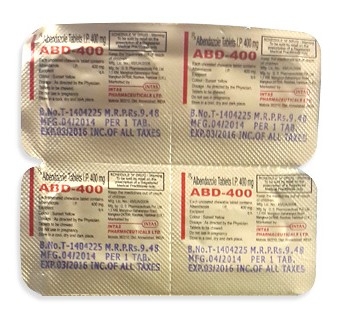
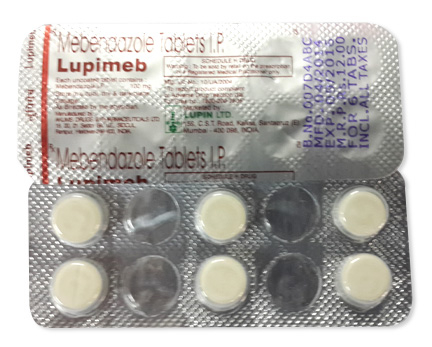
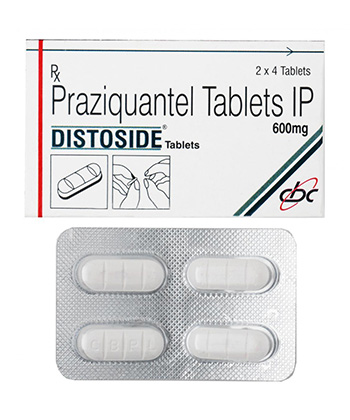
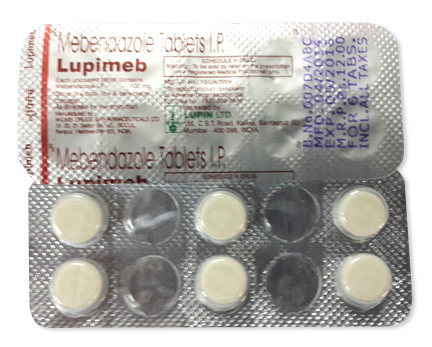
Effective treatment of intestinal parasitic infections requires specific antiparasitic medications designed to target different types of parasites. These medications work by disrupting the parasites' cellular functions, preventing reproduction, or eliminating them entirely from the digestive system.
Several proven antiparasitic medications are available for treating common intestinal infections:
Dosage and treatment duration vary depending on the specific parasite, patient age, weight, and infection severity. Most treatments range from single-dose regimens to courses lasting several days. Common side effects may include mild gastrointestinal upset, dizziness, or headaches, though serious adverse reactions are uncommon.
It's crucial to consult with healthcare providers before starting antiparasitic treatment, especially for pregnant women, young children, or individuals with underlying health conditions. Healthcare professionals can provide proper diagnosis, recommend appropriate medications, and monitor treatment effectiveness to ensure complete parasite elimination.
Anti-protozoal medications are essential for treating parasitic infections caused by single-celled organisms such as Giardia lamblia, Entamoeba histolytica, and Trichomonas vaginalis. These infections can cause significant gastrointestinal distress and other serious health complications if left untreated.
Canadian pharmacies stock both metronidazole and tinidazole as first-line treatments for protozoal infections. Metronidazole is available in multiple formulations including tablets, capsules, and intravenous preparations, while tinidazole offers the convenience of shorter treatment courses with comparable efficacy rates.
Treatment effectiveness rates for giardiasis typically exceed 90% when patients complete the full prescribed course. However, these medications require careful monitoring due to potential drug interactions with alcohol, warfarin, and certain seizure medications. Special precautions apply for pregnant and breastfeeding women, where metronidazole is generally preferred over tinidazole, particularly during the first trimester. Healthcare providers must evaluate the risk-benefit ratio and may recommend delayed treatment or alternative therapies depending on the severity of infection and patient circumstances.
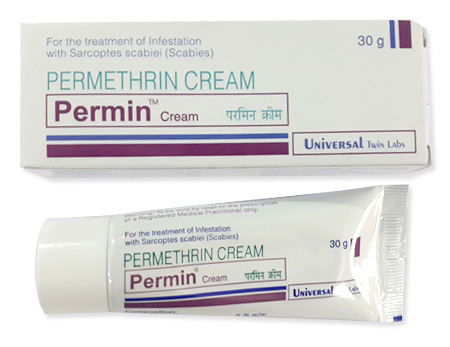
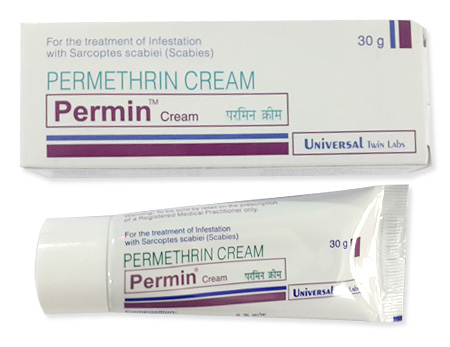
Topical antiparasitic treatments provide effective solutions for external parasite infestations, including scabies mites and head lice. These conditions are common in Canadian communities, particularly in schools, healthcare facilities, and crowded living environments.
Permethrin creams represent the gold standard for scabies treatment, offering excellent efficacy with minimal systemic absorption. For head lice, various formulations are available, including permethrin shampoos and newer silicone-based products that suffocate parasites without pesticide exposure.
Proper application is crucial for treatment success. The following safety measures should be observed:
Many effective treatments are available over-the-counter, though prescription options may be necessary for resistant cases or sensitive patients. Prevention strategies include regular washing of bedding and clothing in hot water, avoiding shared personal items, and treating all household members simultaneously when infestations occur.
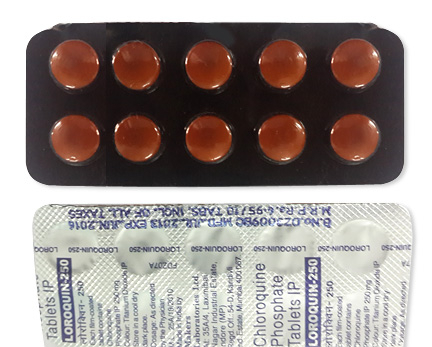
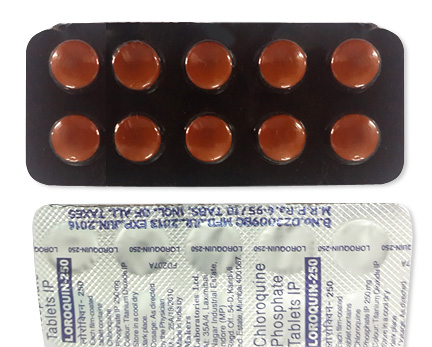
For Canadian travellers venturing to malaria-endemic regions, antimalarial medications serve as crucial protection against this serious parasitic infection. Prevention strategies vary based on destination, duration of travel, and individual health factors, making pre-travel consultation with healthcare providers essential for optimal protection.
Several antimalarial medications are accessible through Canadian pharmacies, each suited to different travel scenarios and regional requirements:
Drug selection depends heavily on regional resistance patterns, which vary significantly across malaria-endemic areas. Healthcare providers consider factors including destination-specific resistance data, travel duration, medical history, and potential drug interactions. Pre-travel consultations, ideally 4-6 weeks before departure, ensure appropriate medication selection and allow time for side effect monitoring. Compliance with prescribed regimens, including pre-departure, during-travel, and post-return dosing, remains critical for maintaining protection against this potentially life-threatening parasitic infection.
Responsible use of antiparasitic medications requires careful attention to safety protocols and best practices to ensure optimal treatment outcomes while minimizing potential risks. Proper medication management begins with appropriate storage and extends through complete treatment compliance.
Antiparasitic medications should be stored in cool, dry environments away from direct sunlight and moisture. Many formulations require refrigeration, whilst others remain stable at room temperature. Always check expiration dates and dispose of outdated medications through pharmacy take-back programmes.
Completing full prescribed courses remains absolutely critical, even when symptoms improve. Incomplete treatment may lead to parasite resistance and recurring infections. Key safety practices include:
Seek immediate medical attention if experiencing severe side effects, treatment failure, or symptom recurrence. Complement medication therapy with preventive measures including proper sanitation, protective clothing in endemic areas, and appropriate hygiene practices to reduce future parasitic exposure risks.