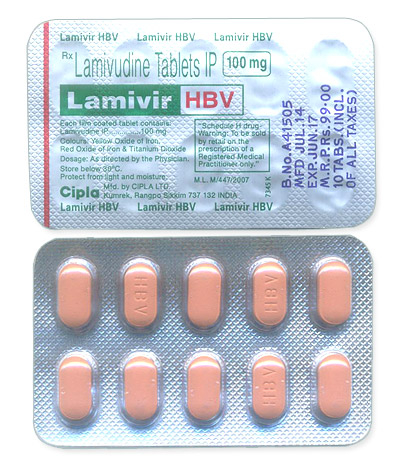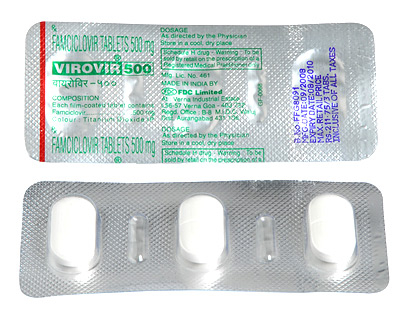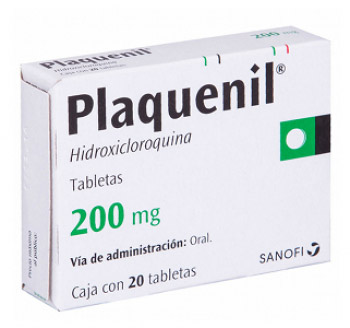
Antivirals are specialized medications designed to combat viral infections by interfering with the virus's ability to reproduce and spread throughout the body. Unlike antibiotics, which target bacterial infections, antivirals specifically target viruses by disrupting their replication cycle at various stages. These medications work by blocking viral enzymes, preventing the virus from entering healthy cells, or stopping viral DNA/RNA synthesis.
The key difference between antivirals and antibiotics lies in their targets: while antibiotics can kill bacteria directly, antivirals typically slow down or halt viral reproduction rather than destroying the virus completely. This is because viruses use the host cell's machinery to replicate, making it challenging to target them without affecting healthy cells.
Antiviral treatment is recommended for various conditions including influenza, herpes infections, HIV, hepatitis, and certain respiratory infections. Early treatment initiation is crucial for maximum effectiveness, as antivirals work best when started within the first 48-72 hours of symptom onset. In Canada, healthcare providers carefully evaluate each case to determine the most appropriate antiviral therapy based on the specific viral infection and patient factors.
Antivirals are prescribed to treat a wide range of viral infections that affect Canadians throughout the year. These medications have proven particularly effective against several common and serious viral conditions that can significantly impact quality of life and health outcomes.
The most frequently treated viral infections with antivirals include:
Canada's healthcare system provides access to a comprehensive range of antiviral medications through Health Canada's approval process. These medications are categorized based on their mechanisms of action and target viruses.
These medications mimic natural building blocks of viral DNA, disrupting viral replication. Common examples include acyclovir for herpes infections, valacyclovir for shingles and cold sores, and ganciclovir for cytomegalovirus infections in immunocompromised patients.
Primarily used for influenza treatment and prevention, oseltamivir (Tamiflu) and zanamivir (Relenza) work by preventing the release of new viral particles from infected cells, reducing symptom duration when taken within 48 hours of onset.
Protease inhibitors form the backbone of HIV treatment regimens, while polymerase inhibitors like sofosbuvir treat hepatitis C and remdesivir addresses severe COVID-19 cases. Entry and fusion inhibitors prevent viruses from entering cells, and immunomodulators enhance the body's natural antiviral response.
Most antivirals in Canada require prescriptions from licensed healthcare providers. Generic options are available for many established medications, offering cost-effective alternatives to brand-name drugs. Provincial drug plans and private insurance often provide coverage, with specific formulary requirements varying by province.
Following proper administration guidelines ensures optimal therapeutic outcomes and minimizes the risk of antiviral resistance development.
Antiviral medications must be taken exactly as prescribed, with specific timing often critical for effectiveness. Many antivirals work best when started within 24-48 hours of symptom onset, making early consultation with healthcare providers essential.
Complete the entire prescribed course, even if symptoms improve. Stopping treatment early can lead to viral resistance and treatment failure. Treatment courses typically range from 5-14 days, depending on the specific medication and condition.
If you miss a dose, take it as soon as remembered unless it's nearly time for the next dose. Never double doses. Contact your healthcare provider if you experience severe side effects or if symptoms worsen despite treatment.
Antiviral medications can cause various side effects depending on the specific drug class. Oral antivirals like acyclovir may cause nausea, headache, and dizziness, while HIV medications can lead to gastrointestinal upset, fatigue, and skin reactions. Influenza antivirals such as oseltamivir commonly cause nausea and vomiting, particularly when taken without food.
Some antivirals require careful monitoring for serious side effects including kidney damage, liver toxicity, and blood disorders. Drug interactions are particularly important with HIV medications, which can affect the metabolism of other drugs. Always inform your pharmacist about all medications, supplements, and herbal products you're taking.
Pregnant and breastfeeding women require specialized antiviral therapy decisions, as some medications may pose risks to developing babies. Pediatric dosing requires careful calculation based on weight and age, while elderly patients may need dose adjustments due to decreased kidney function. Regular monitoring of kidney and liver function is essential for many antiviral treatments.
Seek immediate medical attention if you experience severe allergic reactions, difficulty breathing, persistent vomiting, or signs of liver problems such as yellowing of skin or eyes.
Your pharmacist plays a crucial role in optimizing your antiviral therapy. They can provide medication counselling, monitor for drug interactions, and help manage side effects. Regular follow-up appointments with your healthcare provider ensure treatment effectiveness and allow for necessary adjustments to your therapy regimen.
To prevent viral resistance and ensure optimal outcomes, consider these important strategies:
Vaccination remains the most effective prevention strategy for many viral infections. Discuss with your pharmacist about available vaccines and their timing relative to your treatment. Most provincial health insurance plans cover essential antiviral medications, though some newer treatments may require special authorization. Patient assistance programs and educational resources are available through Health Canada and provincial health authorities to support your treatment journey.