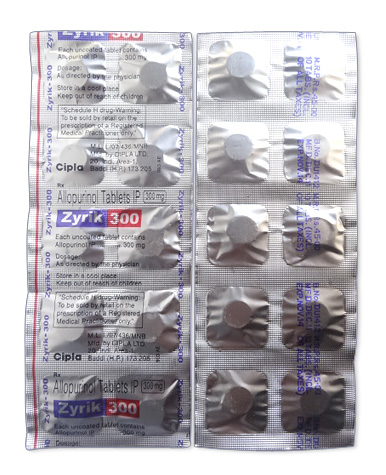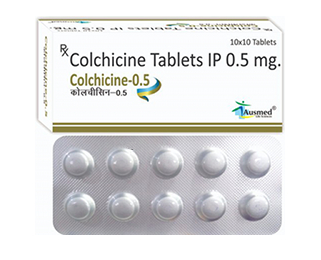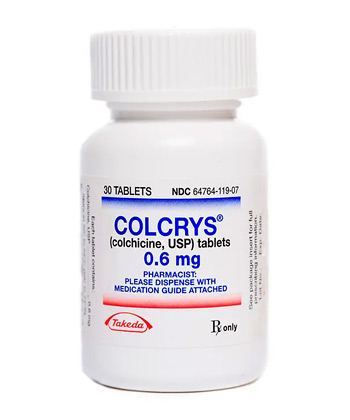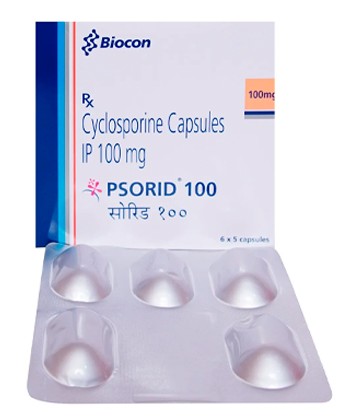
Arthritis is a common condition that affects millions of Canadians, characterized by inflammation of one or more joints. This inflammation leads to pain, stiffness, and reduced mobility that can significantly impact daily activities. While often associated with aging, arthritis can affect people of all ages and backgrounds.
The three most prevalent forms of arthritis include osteoarthritis, which occurs when cartilage breaks down over time; rheumatoid arthritis, an autoimmune condition where the body's immune system attacks joint tissues; and psoriatic arthritis, which affects individuals with psoriasis and causes joint inflammation alongside skin symptoms.
Key symptoms that may indicate arthritis include:
Risk factors include age, family history, previous joint injuries, obesity, and certain infections. Women are more likely to develop rheumatoid arthritis, while men are more prone to gout-related arthritis. If you experience persistent joint pain lasting more than a few weeks, significant morning stiffness, or symptoms that interfere with daily activities, consult your healthcare provider for proper diagnosis and treatment planning.
Canadian pharmacies offer several effective over-the-counter options for managing arthritis pain and inflammation. Understanding these medications helps you make informed choices about pain management while working with your healthcare provider.
Acetaminophen is often the first-line treatment for mild to moderate arthritis pain. It works by blocking pain signals in the brain and is generally well-tolerated. The maximum daily dose for adults is 4,000mg, though many healthcare providers recommend staying below 3,000mg daily for long-term use. Acetaminophen is particularly suitable for those who cannot take NSAIDs due to stomach sensitivities.
NSAIDs like ibuprofen (Advil, Motrin) and naproxen (Aleve) reduce both pain and inflammation. Ibuprofen can be taken every 4-6 hours with a maximum of 1,200mg daily for over-the-counter use. Naproxen provides longer-lasting relief, taken twice daily with a maximum of 440mg daily. These medications are particularly effective for inflammatory types of arthritis.
Canadian pharmacies stock various combination products and extended-release formulations. Consider factors such as your arthritis type, other health conditions, current medications, and potential side effects when choosing pain relief options. Always consult with your pharmacist or healthcare provider before starting any new medication regimen.
Topical arthritis treatments offer targeted relief by delivering medication directly to affected joints and muscles. These products are particularly beneficial for individuals who experience stomach irritation from oral medications or prefer localized treatment options.
Topical non-steroidal anti-inflammatory drugs like diclofenac gel and ibuprofen cream provide anti-inflammatory action directly at the site of pain. Popular Canadian options include Voltaren Emulgel and Advil Muscle & Joint cream, which are available over-the-counter and offer effective pain relief with minimal systemic absorption.
Counterirritant products containing menthol, camphor, or capsaicin work by creating warming or cooling sensations that help distract from arthritis pain. These ingredients stimulate nerve endings and can provide temporary relief from joint stiffness and discomfort.
When applying topical treatments, always wash hands thoroughly before and after use, avoid contact with eyes and mucous membranes, and apply only to intact skin. Start with small amounts to test skin sensitivity, and follow package directions for frequency of application.
Many Canadians seek natural alternatives to complement traditional arthritis treatments. While results may vary, several natural supplements have shown promise in supporting joint health and reducing arthritis-related discomfort.
Glucosamine and chondroitin are among the most researched natural arthritis supplements. These compounds are naturally found in cartilage and may help maintain joint structure. Typical dosages range from 1,500mg of glucosamine and 1,200mg of chondroitin daily, though effects may take several weeks to become apparent.
MSM (methylsulfonylmethane) supplements provide sulfur compounds that support connective tissue health. Common dosages range from 1,000-3,000mg daily, and MSM is often combined with glucosamine and chondroitin for enhanced effectiveness.
Omega-3 fatty acids from fish oil supplements can help reduce inflammation throughout the body. Health Canada recommends dosages of 1-3 grams of combined EPA and DHA daily for anti-inflammatory benefits.
Turmeric and curcumin products have gained popularity for their natural anti-inflammatory properties. Look for standardized curcumin extracts with enhanced bioavailability, typically dosed at 500-1,000mg daily.
When selecting natural supplements, consider the following quality factors:
Managing arthritis effectively extends beyond medication to include various lifestyle modifications and supportive products that can significantly improve daily comfort and mobility. Canadian pharmacies offer a comprehensive range of tools and aids designed to help individuals maintain their independence while managing arthritis symptoms.
Heat therapy products such as heating pads, warm compresses, and therapeutic gels can help relax muscles and improve joint flexibility, particularly beneficial during Canadian winters. Cold therapy options including ice packs and cooling gels are excellent for reducing inflammation and numbing acute pain during flare-ups.
Compression garments, knee braces, and wrist supports provide targeted relief while maintaining joint stability during daily activities. Ergonomic aids such as jar openers, button hooks, and specially designed utensils can make household tasks more manageable. Exercise equipment designed for gentle movement, including resistance bands and balance tools, helps maintain joint function and muscle strength.
Recognizing when arthritis symptoms require professional intervention is crucial for preventing joint damage and maintaining quality of life. Canadian healthcare guidelines emphasize early intervention and regular monitoring to optimize treatment outcomes.
Persistent joint pain lasting more than six weeks, significant morning stiffness, visible joint swelling, or reduced range of motion are clear indicators that prescription medications may be necessary. Sudden onset of severe symptoms or signs of infection around joints require immediate medical evaluation.
Canadian pharmacists play a vital role in arthritis management through medication reviews, dosage optimization, and monitoring for potential side effects. They can identify harmful drug interactions, particularly important for seniors managing multiple conditions. Regular consultations help ensure medications remain effective and appropriate as symptoms evolve.
Building an effective arthritis management plan requires ongoing communication between patients, pharmacists, and healthcare providers to ensure optimal outcomes and improved quality of life.