Asthma is a chronic respiratory condition that affects the airways in your lungs, causing them to become inflamed, narrow, and produce excess mucus. This makes breathing difficult and can trigger coughing, wheezing, and shortness of breath. When asthma symptoms occur, the muscles around the airways tighten, further restricting airflow and making it challenging to breathe normally.
Typical asthma symptoms include persistent coughing (especially at night), wheezing sounds when breathing, chest tightness, and difficulty catching your breath. Common triggers vary among individuals but often include allergens like pollen and dust mites, respiratory infections, cold air, exercise, stress, and certain medications.
According to the Asthma Society of Canada, approximately 3.8 million Canadians live with asthma, representing about 10% of the population. This condition affects people of all ages, with many cases developing during childhood.
Effective asthma management relies on understanding the two main categories of medications: controller and reliever medications. Controller medications, typically taken daily, work to reduce airway inflammation and prevent symptoms from occurring. These include inhaled corticosteroids and long-acting bronchodilators. Reliever medications, such as short-acting beta-agonists, provide quick relief during asthma attacks by rapidly opening the airways.
Asthma medications target different aspects of the condition. Anti-inflammatory drugs reduce swelling in the airways, while bronchodilators relax the muscles around the airways to improve airflow. Some medications combine both actions for comprehensive treatment. Most asthma medications are delivered through inhalers, allowing the medicine to reach the lungs directly.
Consistent use of prescribed controller medications is crucial for preventing asthma symptoms and reducing the risk of severe attacks. Skipping doses can lead to increased inflammation and more frequent symptoms. Proper inhaler technique is equally important to ensure medications reach the lungs effectively.
Working closely with your healthcare provider, pharmacist, or respirologist is essential for developing an effective asthma action plan. Regular monitoring helps adjust medications as needed and ensures optimal asthma control throughout the changing seasons and life circumstances that Canadians experience.
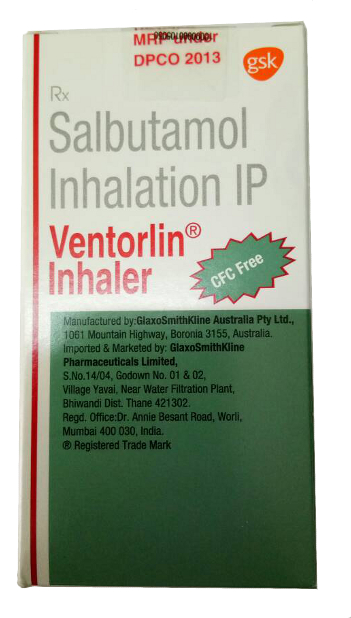
Reliever medications are your first line of defence during an asthma attack or when experiencing sudden breathing difficulties. These fast-acting medications provide immediate relief by quickly opening your airways when asthma symptoms occur.
The most common reliever medications available in Canada include:
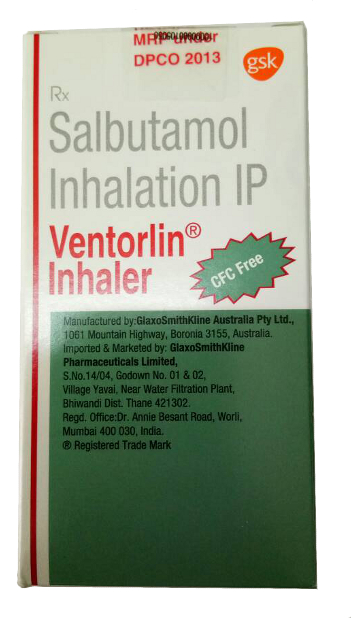
These medications work by relaxing the muscles around your airways within minutes of use. During an asthma attack, your airways become inflamed and constricted, making breathing difficult. Short-acting beta-agonists quickly reverse this constriction, allowing air to flow more freely to your lungs.
Always carry your reliever inhaler with you and ensure you know the proper technique. If you need to use your reliever more than twice a week, or if symptoms don't improve within 15 minutes of use, seek immediate medical attention. Contact emergency services if you experience severe breathing difficulty or cannot speak in full sentences.
Controller medications are the foundation of effective asthma management in Canada. Unlike relievers, these medications work to prevent asthma symptoms and attacks by reducing inflammation and keeping your airways open over time. They must be taken daily, even when you feel well, to maintain optimal asthma control.
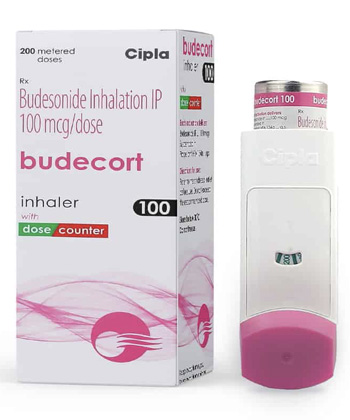
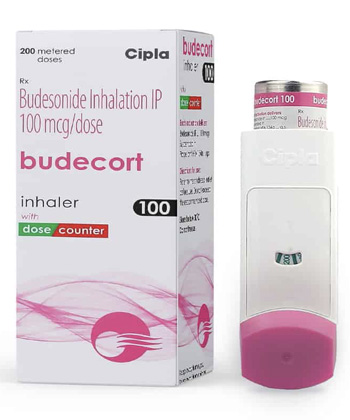
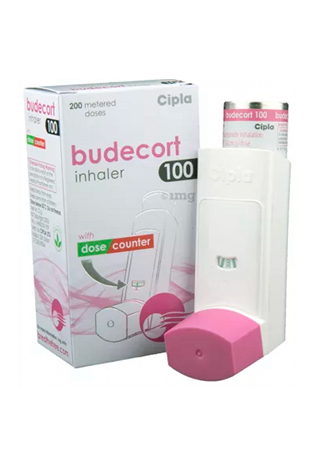
These anti-inflammatory medications are typically the first choice for long-term asthma control. Common options available in Canada include:
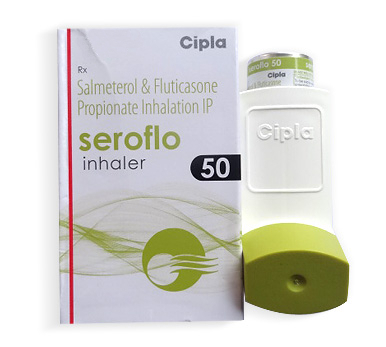
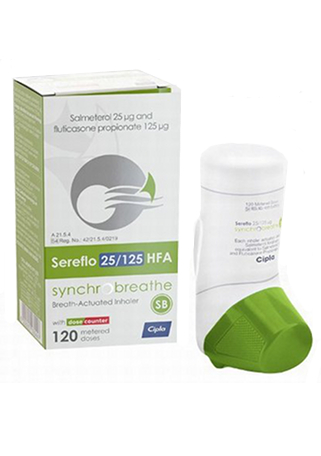
For moderate to severe asthma, combination inhalers containing both a corticosteroid and a long-acting beta-agonist may be prescribed. Popular combinations include Advair (fluticasone/salmeterol), Symbicort (budesonide/formoterol), and Breo Ellipta (fluticasone/vilanterol). These medications provide both anti-inflammatory effects and long-lasting bronchodilation.
Controller medications work best when taken consistently every day, regardless of how you feel. Skipping doses can lead to increased inflammation, more frequent symptoms, and higher risk of severe asthma attacks. Work with your healthcare provider to find the right controller medication regimen for your specific needs.
Leukotriene modifiers such as Singulair (montelukast) and Accolate (zafirlukast) offer an alternative approach to asthma control by blocking inflammatory pathways in the airways. These prescription medications are particularly effective for patients with exercise-induced asthma or those who also suffer from allergies. Available at Canadian pharmacies with a valid prescription, these oral medications provide convenient daily treatment that complements traditional inhaler therapy.
Proper asthma management relies on specialized devices that enhance medication delivery and monitoring. Spacer devices improve inhaler effectiveness by ensuring medication reaches the lungs rather than staying in the mouth. Nebulizers provide an excellent alternative for young children or during severe episodes, converting liquid medication into a fine mist. Peak flow meters serve as valuable monitoring tools, helping patients track their lung function and detect early warning signs of worsening asthma.
Since allergies often trigger asthma symptoms, antihistamines and nasal corticosteroids play crucial supporting roles in comprehensive asthma management. These medications help control environmental triggers and reduce overall airway inflammation.
Working with your healthcare provider and pharmacist to develop a personalized asthma action plan is essential for effective management. This written plan outlines your daily medications, recognizes warning signs, and provides clear instructions for handling worsening symptoms. Canadian healthcare guidelines emphasize the importance of having this plan readily available and sharing it with family members, schools, or workplaces.
Common asthma triggers in Canada include seasonal allergens, cold air, smoke, and indoor pollutants. Key strategies for trigger avoidance include:
Regular exercise, stress management, and maintaining a healthy weight contribute significantly to asthma control. Schedule regular consultations with your pharmacy team to review your medications, inhaler technique, and overall management strategy to ensure optimal asthma control throughout the year.