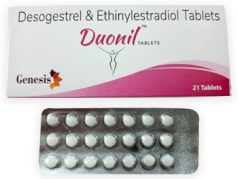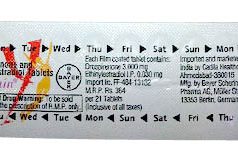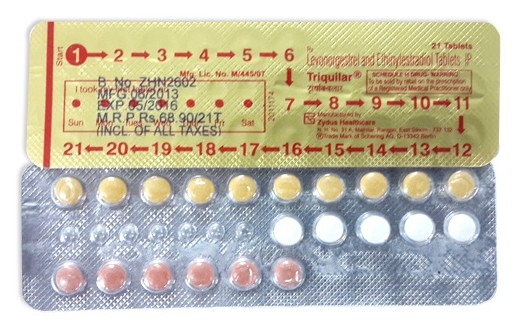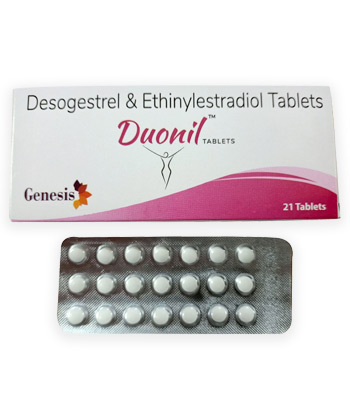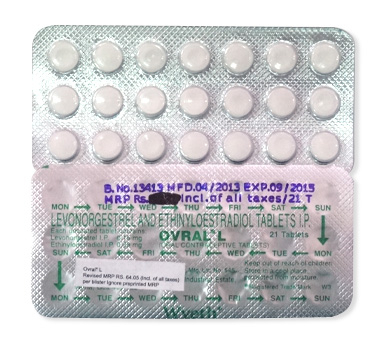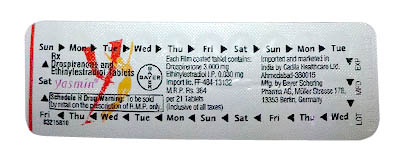
Combined oral contraceptives contain both estrogen and progestin hormones, working by preventing ovulation and thickening cervical mucus. When used correctly, they are over 99% effective at preventing pregnancy. Popular Canadian brands include Alesse, Yasmin, Tricyclen, and Marvelon, each offering slightly different hormone formulations to suit individual needs.
Beyond contraception, these pills offer additional benefits such as lighter, more regular periods, reduced acne, and decreased risk of ovarian and endometrial cancers. Common side effects may include nausea, breast tenderness, and mood changes, though most women adjust within the first few months of use.
The mini-pill contains only progestin and works primarily by thickening cervical mucus and sometimes preventing ovulation. This option is particularly suitable for breastfeeding mothers, women over 35 who smoke, or those who experience estrogen-related side effects. Available Canadian brands include Micronor and Camila.
Progestin-only pills require precise timing, taken at the same time daily within a three-hour window for maximum effectiveness of approximately 95% with typical use.
For those seeking convenient alternatives to daily pills, several long-acting options are available in Canada:
These methods offer excellent effectiveness rates of 94-99% and eliminate the need for daily medication adherence, making them ideal for busy lifestyles.
Hormonal IUDs available in Canada include Mirena (effective for 7 years), Skyla (3 years), and Kyleena (5 years). These devices release progestin directly into the uterus, providing over 99% contraceptive effectiveness. The insertion procedure is performed by healthcare professionals and typically takes just a few minutes. Most users experience significantly lighter periods or complete cessation of menstruation, making them particularly suitable for women with heavy bleeding or those seeking long-term contraception without daily maintenance.
The copper IUD (ParaGard) offers non-hormonal contraception for up to 10 years by creating an environment toxic to sperm. This method is ideal for women who cannot or prefer not to use hormones. While insertion may cause temporary discomfort and some women experience heavier periods initially, the copper IUD remains highly cost-effective over its lifespan, with no ongoing prescription costs or daily routines required.
Nexplanon, a single-rod implant inserted under the skin of the upper arm, provides three years of highly effective contraception. The quick insertion and removal procedures are performed under local anaesthetic. Users may experience irregular bleeding patterns, particularly during the first year, though many find their periods become lighter or stop entirely.
Barrier methods provide physical protection against pregnancy and sexually transmitted infections. Options available in Canadian pharmacies include:
Proper usage is essential for effectiveness, with male condoms achieving approximately 85% real-world effectiveness when used consistently and correctly. These methods require no prescription and are immediately reversible.
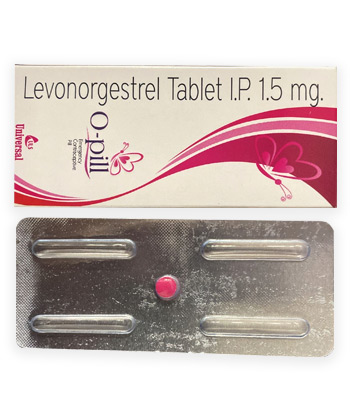
Emergency contraception is available across Canada without prescription for women of all ages. Plan B One-Step and generic levonorgestrel options are most effective when taken within 72 hours of unprotected intercourse. Ella (ulipristal acetate) requires a prescription but remains effective up to 120 hours post-intercourse. Canadian pharmacists can provide confidential consultation and immediate access to ensure timely treatment for maximum effectiveness in preventing unintended pregnancy.
The calendar method involves tracking your menstrual cycle to identify fertile and infertile days. This natural approach requires careful monitoring of cycle patterns over several months to predict ovulation timing. Modern digital tools and mobile applications have made cycle tracking more accessible, offering features like symptom logging, ovulation predictions, and fertility windows. Popular Canadian apps provide personalized insights based on your unique cycle data. However, the calendar method requires consistent cycles and dedicated tracking to achieve optimal effectiveness rates of 76-88% with perfect use. Users must be committed to daily monitoring and understand that cycle irregularities can significantly impact reliability.
Basal body temperature monitoring involves taking your temperature immediately upon waking to detect the slight rise that occurs after ovulation. Combined with cervical mucus observation, which tracks changes in texture and consistency throughout your cycle, these methods provide comprehensive fertility awareness. Effective use requires proper training and education, often available through certified fertility awareness educators across Canada. Many practitioners recommend combining multiple natural methods for increased accuracy. Success depends on learning to recognize your body's unique patterns and maintaining consistent daily observations.
Tubal ligation remains the most common permanent contraception method for women in Canada, involving surgical blocking or cutting of fallopian tubes. The procedure is typically performed laparoscopically as day surgery under general anaesthetic. Recovery usually takes one to two weeks, with most women returning to normal activities within a few days. Effectiveness exceeds 99%, making it highly reliable. While technically reversible through complex microsurgery, reversal success rates vary significantly, and the procedure should be considered permanent. Health Canada no longer approves the Essure system, previously offered as a non-surgical alternative.
Vasectomy is a minor outpatient procedure performed under local anaesthetic, involving cutting or blocking the vas deferens to prevent sperm from reaching semen. The procedure typically takes 20-30 minutes with minimal discomfort and quick recovery. Most men return to work within 2-3 days, avoiding heavy lifting for one week. Effectiveness approaches 100% after confirming sterility through follow-up semen analyses. While vasectomy reversal is possible, success rates for pregnancy range from 30-70% depending on various factors. Men should consider vasectomy a permanent decision when making this contraceptive choice.
Selecting appropriate birth control requires evaluating multiple personal factors unique to your situation. Age, existing health conditions, and lifestyle significantly influence method suitability and effectiveness. Consider your pregnancy planning timeline – whether you want children soon, later, or never affects optimal contraceptive choices. Sexual activity patterns, including frequency and number of partners, impact method practicality. Medical history, including previous pregnancies, surgeries, or conditions like diabetes or high blood pressure, may contraindicate certain options. Discuss smoking status, medications, and family medical history with healthcare providers, as these factors influence hormonal contraceptive safety and alternative method recommendations.
Healthcare provider consultation ensures safe, appropriate contraceptive selection tailored to your health profile. Family physicians, nurse practitioners, and gynecologists can prescribe various methods and provide comprehensive counselling. Most hormonal contraceptives, IUDs, and diaphragms require prescriptions and professional insertion or fitting. Regular check-ups monitor side effects, effectiveness, and changing health needs. Switching contraceptive methods is common and should involve professional guidance to ensure continuous protection and minimize side effects. Many Canadian healthcare providers offer same-day contraceptive consultations and can address concerns about current methods or interest in alternatives.
Provincial health insurance coverage for contraceptives varies across Canada, with some provinces covering specific methods or age groups. Consider these coverage options when evaluating birth control costs:
Pharmacy consultation services provide accessible contraceptive counselling and can help compare method costs. Many pharmacists offer private consultations about contraceptive options, side effect management, and insurance coverage questions, making birth control guidance readily available in communities across Canada.