Blood pressure is the force exerted by circulating blood against the walls of your arteries as your heart pumps blood throughout your body. It's measured using two numbers: systolic pressure (the top number) when your heart beats, and diastolic pressure (the bottom number) when your heart rests between beats. Blood pressure readings are expressed in millimetres of mercury (mmHg).
According to Health Canada guidelines, normal blood pressure is typically below 120/80 mmHg. High blood pressure, or hypertension, is generally diagnosed when readings consistently measure 140/90 mmHg or higher. The range between 120-139 systolic or 80-89 diastolic is considered prehypertension, indicating increased risk for developing hypertension.
Primary hypertension, which accounts for 90-95% of cases, develops gradually over time without an identifiable cause. Secondary hypertension results from underlying conditions such as kidney disease, sleep apnea, or certain medications. Common risk factors include:
Many Canadians with high blood pressure experience no symptoms, earning it the nickname "silent killer." Some may experience headaches, shortness of breath, or nosebleeds, but these typically occur when blood pressure reaches dangerously high levels.
Regular blood pressure monitoring is crucial for early detection and management. Untreated hypertension significantly increases the risk of serious health complications including heart attack, stroke, kidney failure, and vision problems. The Canadian healthcare system emphasizes preventive care, making blood pressure screening readily available through family physicians and community health centres.
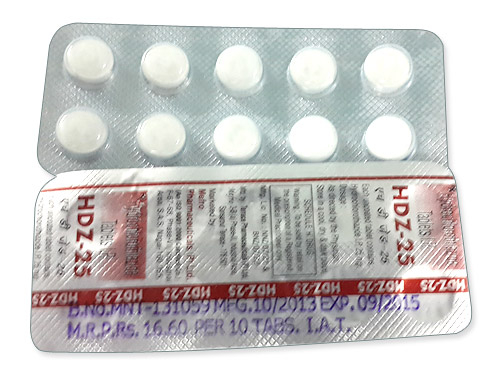
Canadian healthcare providers have access to several classes of effective blood pressure medications, each working through different mechanisms to help control hypertension. Treatment plans are typically individualized based on patient factors, concurrent health conditions, and medication tolerance.
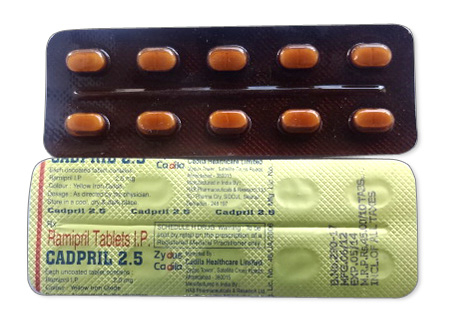
ACE inhibitors, including ramipril, lisinopril, and enalapril, work by blocking the formation of angiotensin II, a hormone that narrows blood vessels. These medications are often first-line treatments and are particularly beneficial for patients with diabetes or heart failure. Angiotensin Receptor Blockers (ARBs) such as telmisartan, valsartan, and losartan provide similar benefits by blocking angiotensin II receptors, offering an alternative for patients who experience side effects from ACE inhibitors.
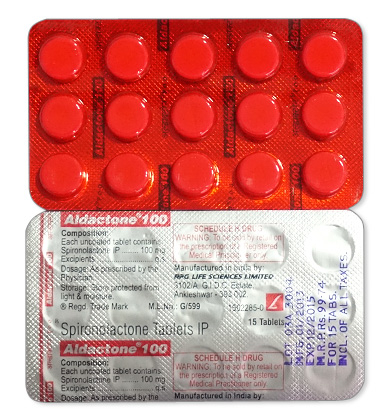
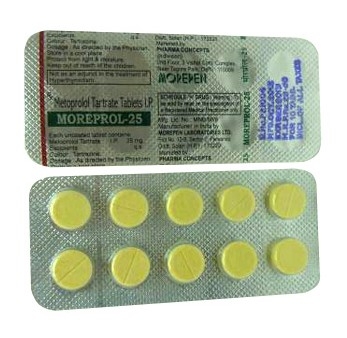
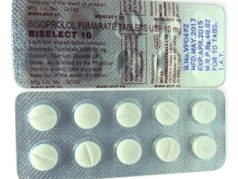
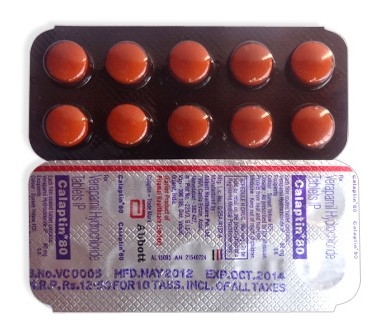
Calcium channel blockers like amlodipine and nifedipine prevent calcium from entering heart and blood vessel cells, causing blood vessels to relax and widen. Beta-blockers, including metoprolol and atenolol, reduce heart rate and the force of heart contractions, effectively lowering blood pressure and reducing cardiac workload.
Often called "water pills," diuretics such as hydrochlorothiazide and indapamide help remove excess sodium and water from the body through increased urination. These medications are frequently prescribed as first-line therapy or in combination with other blood pressure medications. Many Canadian patients benefit from combination therapies that include a diuretic component for enhanced effectiveness in blood pressure control.
Blood pressure medications work through various mechanisms to reduce the force of blood against artery walls. ACE inhibitors block the production of angiotensin II, a hormone that narrows blood vessels, while ARBs (Angiotensin Receptor Blockers) prevent this hormone from binding to receptors. Calcium channel blockers relax blood vessel walls by preventing calcium from entering heart and blood vessel cells. Beta-blockers reduce heart rate and the heart's output of blood, whilst diuretics help the kidneys remove excess sodium and water from the body.
Healthcare providers in Canada typically prescribe medications based on individual patient factors and comorbid conditions. ACE inhibitors are often first-line treatments for patients with diabetes or heart failure. ARBs may be prescribed when ACE inhibitors cause side effects like persistent coughing. Calcium channel blockers are frequently used for patients with certain heart rhythm disorders, while diuretics are commonly prescribed for patients with fluid retention.
Many Canadians require combination therapy to achieve optimal blood pressure control. These combinations can reduce side effects whilst improving effectiveness. Most patients begin seeing results within 2-4 weeks, with full effects typically achieved after 6-8 weeks. Consistent adherence to prescribed regimens is crucial for maintaining cardiovascular health and preventing complications such as stroke, heart attack, and kidney disease.
Home monitoring has become an essential component of blood pressure management for Canadians. Digital automatic monitors are widely available across Canada and are generally recommended for their ease of use and accuracy. Manual monitors with stethoscopes require more skill but can be valuable for healthcare professionals or those specifically trained in their use.
Accurate blood pressure measurement requires proper technique and timing. Measurements should be taken after sitting quietly for 5 minutes, with feet flat on the floor and arm supported at heart level. The cuff should fit snugly around the upper arm, positioned one inch above the elbow crease.
Optimal times for checking blood pressure include:
Keeping a detailed blood pressure log helps healthcare providers make informed treatment decisions. Record the date, time, readings, and any relevant factors such as stress, medication timing, or physical activity. Contact your healthcare provider immediately if readings consistently exceed 180/110 mmHg, if you experience symptoms like chest pain, shortness of breath, or severe headaches, or if your readings show significant changes from your usual pattern.
Managing blood pressure effectively often requires a comprehensive approach that combines medication with healthy lifestyle modifications. These changes can significantly impact your blood pressure readings and overall cardiovascular health, working alongside prescribed treatments to help you achieve optimal results.
The DASH (Dietary Approaches to Stop Hypertension) diet has been clinically proven to help lower blood pressure naturally. This eating plan emphasizes fruits, vegetables, whole grains, lean proteins, and low-fat dairy products while limiting foods high in saturated fat and cholesterol. Reducing sodium intake is particularly crucial for Canadians, as Health Canada recommends limiting daily sodium consumption to 2,300 mg, though many people with hypertension benefit from even lower amounts. Reading nutrition labels carefully and choosing fresh, unprocessed foods whenever possible can make a significant difference in your blood pressure management.
The Public Health Agency of Canada recommends at least 150 minutes of moderate-intensity aerobic activity per week for adults. Regular exercise strengthens your heart, allowing it to pump blood more efficiently and reducing pressure on your arteries. Activities such as brisk walking, swimming, cycling, or dancing can all contribute to better blood pressure control. Even small increases in daily activity, like taking the stairs instead of the elevator or parking further from store entrances, can provide cumulative benefits over time.
Maintaining a healthy weight is essential for blood pressure control, as excess weight requires your heart to work harder to pump blood throughout your body. Even modest weight loss of 5-10 pounds can lead to meaningful reductions in blood pressure. Focus on gradual, sustainable changes rather than restrictive diets, and consider consulting with a registered dietitian who can help you develop a personalized meal plan that fits your lifestyle and cultural preferences.
Chronic stress can contribute to elevated blood pressure through various mechanisms, including increased heart rate and the release of stress hormones. Effective stress management techniques include deep breathing exercises, meditation, yoga, tai chi, or simply engaging in hobbies you enjoy. Regular relaxation practices, even for just 10-15 minutes daily, can help your body manage stress responses more effectively and support healthy blood pressure levels.
Canada's Low-Risk Alcohol Drinking Guidelines suggest limiting alcohol consumption, as excessive drinking can raise blood pressure and interfere with blood pressure medications. If you choose to drink, moderation is key. Tobacco use, including smoking and vaping, directly damages blood vessels and significantly increases cardiovascular risks. Canadian smoking cessation programs and resources are available through provincial health services to help you quit successfully.
Quality sleep plays a crucial role in blood pressure regulation, as your body naturally lowers blood pressure during restful sleep. Poor sleep patterns, including sleep apnea, can contribute to hypertension. Aim for 7-9 hours of quality sleep nightly by maintaining consistent bedtimes, creating a comfortable sleep environment, and avoiding caffeine or screens before bedtime. If you suspect sleep disorders, discuss this with your healthcare provider for proper evaluation and treatment.
Successful blood pressure management requires ongoing collaboration with qualified healthcare professionals. Your pharmacy team and family physician work together to ensure you receive comprehensive care tailored to your specific needs and health conditions.
Regular monitoring appointments allow your healthcare team to track your progress, adjust treatments as needed, and catch potential issues early. Blood pressure can fluctuate due to various factors, so consistent monitoring helps establish patterns and determine the effectiveness of your current treatment plan. These appointments also provide opportunities to discuss any concerns, side effects, or lifestyle changes that might impact your blood pressure management.
Come prepared to your appointments with relevant questions to maximize the benefit of your consultation. Consider asking about optimal timing for taking medications, potential food or drug interactions, what to do if you miss a dose, and how to properly monitor your blood pressure at home. Don't hesitate to discuss any symptoms you're experiencing or concerns about your treatment plan – your healthcare team is there to support you and ensure you feel confident managing your condition.
Blood pressure medications often require fine-tuning to achieve optimal results while minimizing side effects. Your pharmacist and doctor will regularly review your medication regimen, considering factors such as your response to treatment, any new health conditions, and changes in your lifestyle. Be honest about your medication adherence and any challenges you face in taking medications as prescribed, as this information helps your healthcare team make appropriate adjustments.
While blood pressure medications are generally well-tolerated, some people may experience side effects. Common side effects can include dizziness, fatigue, or changes in heart rate. Most side effects are manageable and may improve as your body adjusts to the medication. Never stop taking prescribed medications without consulting your healthcare provider first, as this can lead to dangerous spikes in blood pressure.
Blood pressure medications can interact with other prescription drugs, over-the-counter medications, natural health products, and even some foods. Always inform your pharmacist about all medications and supplements you're taking, including those prescribed by different doctors or purchased from other sources. Some common interactions to be aware of include:
While most blood pressure management involves routine monitoring and adjustments, certain situations require immediate medical attention. Seek emergency care if you experience severe headache, chest pain, shortness of breath, vision changes, or blood pressure readings consistently above 180/120 mmHg. Additionally, if you experience severe side effects from medications such as swelling of the face or throat, difficulty breathing, or signs of allergic reaction, seek immediate medical attention. Your pharmacist can help you understand warning signs and develop an action plan for emergency situations.