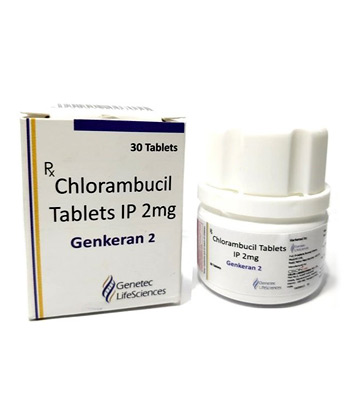
Canada's healthcare system provides comprehensive treatment for various cancer types, including breast, lung, colorectal, prostate, and hematological malignancies. The Canadian Cancer Society reports that approximately 229,200 Canadians are diagnosed with cancer annually, making effective treatment protocols essential for patient outcomes.
Prescription medications play a pivotal role in comprehensive cancer care, working alongside surgical interventions, radiation therapy, and emerging immunotherapies. Health Canada rigorously regulates oncology treatments through the Notice of Compliance process, ensuring all cancer medications meet stringent safety and efficacy standards before reaching Canadian patients.
The integration of medication therapy with other treatment modalities follows evidence-based protocols established by provincial cancer agencies. This multidisciplinary approach involves oncologists, pharmacists, nurses, and allied health professionals working collaboratively within Canadian cancer centres such as Princess Margaret Cancer Centre and BC Cancer Agency.
Provincial health insurance plans, including OHIP in Ontario and MSP in British Columbia, typically cover medically necessary cancer treatments. Additional drug coverage through programs like the Exceptional Access Program ensures patients can access specialized oncology medications when standard treatments prove insufficient.
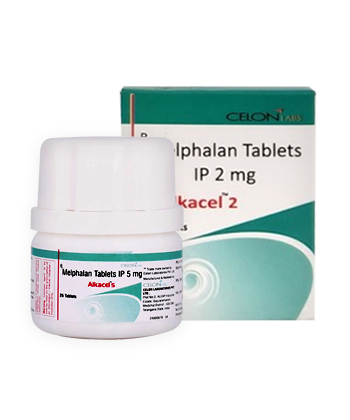
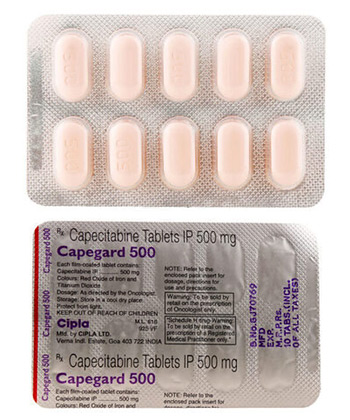
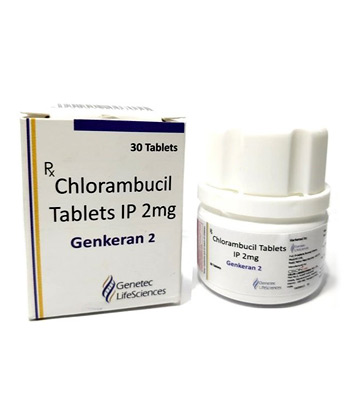
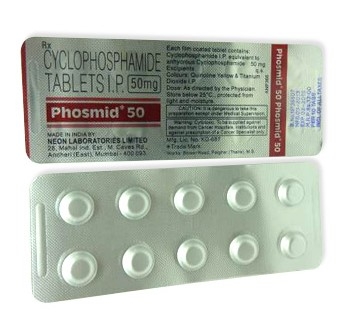
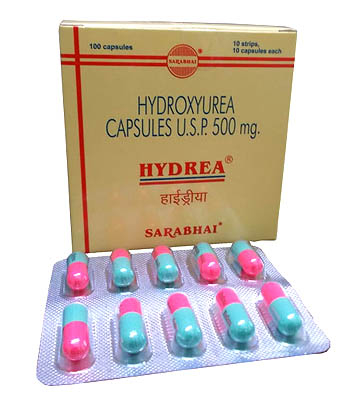
Canadian oncology practices utilize several classes of chemotherapy medications, each targeting cancer cells through distinct mechanisms. Health Canada has approved numerous agents across different therapeutic categories to provide comprehensive treatment options for various malignancies.
These medications target rapidly dividing cancer cells by interfering with cellular processes essential for tumour growth and metastasis. Chemotherapy drugs are administered through various methods including intravenous infusion, oral tablets, and intrathecal injection, depending on the specific medication and treatment protocol.
Treatment cycles typically follow established schedules developed through clinical trials, with rest periods allowing normal cells to recover between treatments. Provincial drug programs such as Ontario's New Drug Funding Program and Quebec's Liste de médicaments ensure eligible patients receive coverage for approved chemotherapy regimens through their regional cancer treatment centres.
Modern cancer treatment in Canada has evolved beyond traditional chemotherapy to include sophisticated targeted therapies and immunotherapies. These innovative treatments work by specifically targeting cancer cells or enhancing the body's immune system to fight the disease more effectively.
Several monoclonal antibodies are available through Canadian cancer centres, including Trastuzumab (Herceptin) for HER2-positive breast cancer, Rituximab for certain blood cancers, and Bevacizumab for various solid tumours. Tyrosine kinase inhibitors such as Imatinib (Gleevec), Erlotinib, and Sunitinib offer targeted approaches for specific cancer types by blocking proteins that promote cancer cell growth.
Checkpoint inhibitors like Pembrolizumab (Keytruda) and Nivolumab (Opdivo) help the immune system recognise and attack cancer cells. CAR-T cell therapies are now available at specialized Canadian treatment centres for certain blood cancers. These treatments require genetic testing and a precision medicine approach to determine the most appropriate therapy. Most targeted therapies are covered through provincial health plans, with additional coverage often available through private insurance for newer treatments.
Comprehensive supportive care is essential for managing cancer treatment side effects and maintaining quality of life throughout the cancer journey. Canadian pharmacies stock a wide range of medications specifically designed to address the various challenges patients may experience during treatment.
Anti-nausea medications are crucial for chemotherapy patients, with options including:
Pain management may involve various opioid medications including morphine, fentanyl patches, and oxycodone, carefully prescribed and monitored by healthcare providers. Medications for chemotherapy-induced neuropathy help manage nerve pain and tingling sensations. Additional supportive care includes nutritional supplements, appetite stimulants to maintain proper nutrition, and sleep aids or anxiety management medications to support overall well-being during treatment.
Hormone therapy plays a crucial role in treating cancers that depend on hormones for growth, particularly breast and prostate cancers. These targeted treatments work by blocking hormone production or preventing hormones from stimulating cancer cell growth, offering patients effective long-term management options with improved survival outcomes.
For hormone receptor-positive breast cancer, several proven medications are available through Canadian pharmacies. Tamoxifen remains a cornerstone treatment, particularly effective for premenopausal women and those with early-stage disease. This selective estrogen receptor modulator blocks estrogen's effects on breast tissue while providing protective benefits for bone health.
Aromatase inhibitors, including Anastrozole and Letrozole, are preferred options for postmenopausal women. These medications significantly reduce estrogen production by blocking the aromatase enzyme, demonstrating superior efficacy compared to tamoxifen in preventing cancer recurrence. Both medications are well-tolerated and covered under most provincial drug plans across Canada.
Advanced prostate cancer treatment involves multiple hormone therapy approaches. Bicalutamide, an anti-androgen medication, blocks testosterone receptors on cancer cells, effectively slowing disease progression. This oral medication offers convenient daily dosing with manageable side effects for most patients.
Leuprolide injections provide powerful androgen deprivation therapy by suppressing testosterone production at the source. Available in monthly or quarterly formulations, these treatments require regular monitoring but offer excellent disease control. Enzalutamide represents a newer generation of androgen receptor inhibitors, particularly effective for castration-resistant prostate cancer cases.
For premenopausal women with hormone-sensitive breast cancer, ovarian suppression therapy may be recommended alongside other hormone treatments. Options include GnRH agonists like goserelin or leuprolide, which temporarily shut down ovarian hormone production. These treatments are typically administered as monthly injections and may be combined with aromatase inhibitors for enhanced effectiveness.
Hormone therapy duration varies based on cancer type, stage, and individual patient factors. Breast cancer patients typically receive treatment for 5-10 years, with regular oncology follow-ups every 3-6 months during active treatment. Prostate cancer hormone therapy may continue indefinitely, requiring ongoing PSA monitoring and assessment for treatment resistance.
Regular monitoring includes bone density scans, liver function tests, and cardiovascular health assessments. Patients should maintain consistent communication with their healthcare team regarding any concerning symptoms or side effects that may require treatment adjustments.
While hormone therapies are generally well-tolerated, long-term use may impact quality of life through various side effects. Common concerns include hot flashes, mood changes, bone density loss, and sexual dysfunction. Canadian cancer centres provide comprehensive supportive care services to help patients manage these effects while maintaining treatment adherence.
Most hormone therapy medications for cancer treatment are covered under provincial drug formularies across Canada, though specific coverage criteria may vary by province. Patients should work with their oncology team and pharmacy to understand coverage options and any required prior authorization processes. Private insurance often provides additional coverage for newer or combination therapies.
Accessing cancer medications in Canada involves navigating various support systems designed to ensure patients receive necessary treatments regardless of financial circumstances. Understanding available resources and programs helps patients focus on their treatment rather than medication costs or access barriers.
Each Canadian province maintains drug formularies that typically provide comprehensive coverage for essential cancer medications. These formularies are regularly updated to include new treatments as they receive Health Canada approval and demonstrate clinical effectiveness. Coverage criteria may include specific cancer staging requirements or previous treatment failures for certain medications.
Patients should familiarize themselves with their provincial formulary requirements and work closely with their oncology team to ensure prescribed medications meet coverage criteria. Most provinces have streamlined approval processes for cancer medications to minimize treatment delays.
For patients who may benefit from experimental or not-yet-approved treatments, Health Canada's Special Access Programme provides pathways to potentially life-saving medications. These programs require detailed medical justification from treating physicians and are typically reserved for cases where standard treatments have failed or are unsuitable.
Clinical trials also offer access to cutting-edge treatments at no cost to patients. Canadian cancer centres actively participate in international research studies, providing patients with opportunities to access innovative therapies while contributing to cancer research advancement.
Many pharmaceutical companies offer patient assistance programs specifically for cancer medications, providing financial support for uninsured or underinsured patients. These programs may offer medication at reduced costs or completely free for qualifying individuals based on income criteria and insurance coverage gaps.
Canadian cancer centres serve as central coordination points for patient care, including medication management and access support. Oncology social workers and patient navigators help patients understand available programs, complete application paperwork, and coordinate with insurance providers to ensure uninterrupted medication access.
These centres maintain relationships with pharmaceutical companies and understand current assistance programs, enabling them to quickly connect eligible patients with appropriate support resources.
Specialized oncology pharmacies provide enhanced services beyond traditional medication dispensing, including detailed counselling on side effect management, drug interaction monitoring, and adherence support programs. These pharmacies often maintain larger inventories of cancer medications and can coordinate with cancer centres for seamless care transitions.
Many oncology pharmacies offer delivery services, medication synchronization programs, and specialized packaging to support treatment adherence, particularly beneficial for patients receiving multiple concurrent therapies.
Patient education resources help individuals understand their medications, manage side effects, and maintain treatment schedules. Canadian cancer organizations provide comprehensive educational materials, online resources, and peer support programs to enhance treatment understanding and adherence.
Medication adherence support includes reminder systems, simplified dosing schedules when possible, and regular check-ins with healthcare team members to address any barriers to consistent medication taking.
For medications not covered by provincial plans or private insurance, several financial assistance options exist. The Canadian Cancer Society provides emergency financial assistance for cancer-related expenses, including medications. Provincial cancer agencies may also offer hardship funds for patients facing financial barriers to treatment access.
Credit programs specifically designed for healthcare expenses allow patients to spread medication costs over manageable payment periods, ensuring treatment continuity while addressing financial constraints.
When cancer treatment goals shift toward comfort and quality of life, palliative care teams work closely with oncology pharmacists to optimize medication regimens for symptom management. This integration ensures patients receive appropriate pain management, anti-nausea medications, and other supportive therapies while maintaining dignity and comfort throughout their care journey.