Hypertension affects millions of Canadians and significantly increases the risk of heart disease, stroke, and kidney problems. Proper blood pressure management is essential for maintaining cardiovascular health and preventing serious complications. When lifestyle modifications alone aren't sufficient, healthcare providers in Canada prescribe various classes of antihypertensive medications to help patients achieve optimal blood pressure control.
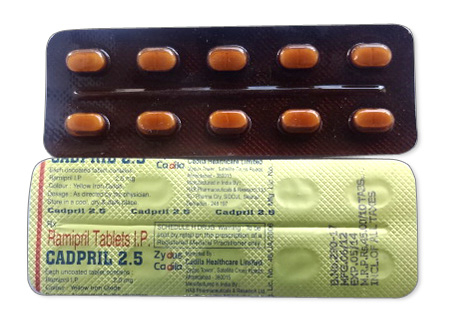
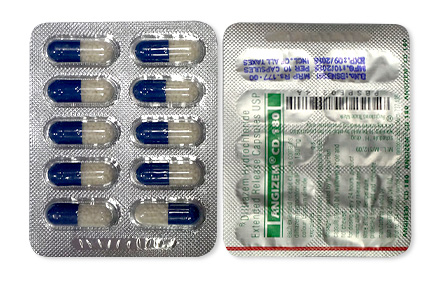
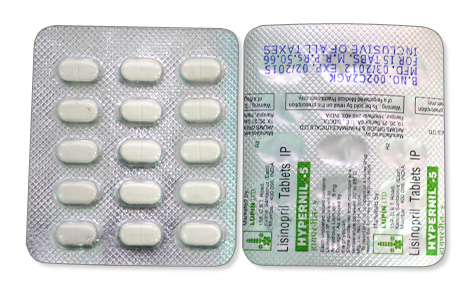
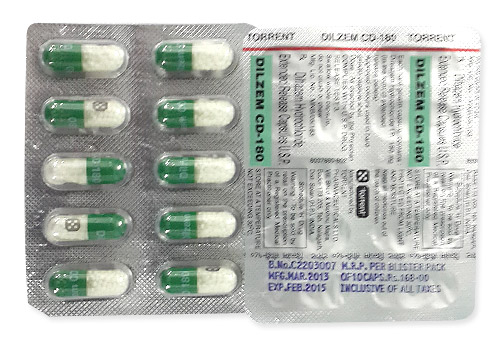
Canadian pharmacies stock several effective blood pressure medications, each working through different mechanisms:
These medications work most effectively when combined with lifestyle modifications including regular exercise, a heart-healthy diet low in sodium, stress management, and maintaining a healthy weight. Regular monitoring ensures optimal therapeutic outcomes.
Cholesterol plays a crucial role in cardiovascular disease development, making proper cholesterol management essential for heart health. Understanding the different types of cholesterol helps Canadians make informed decisions about their treatment options and lifestyle choices.
Cholesterol management focuses on three key measurements: LDL (low-density lipoprotein) or "bad" cholesterol, which contributes to arterial plaque buildup; HDL (high-density lipoprotein) or "good" cholesterol, which removes excess cholesterol from arteries; and triglycerides, which are blood fats that increase cardiovascular risk when elevated.
Canadian healthcare providers commonly prescribe statin medications as first-line therapy for cholesterol control:
Alternative medications include Ezetimibe (Zetia), which reduces cholesterol absorption, and Fibrates like Fenofibrate for triglyceride management. Regular monitoring through blood tests helps healthcare providers adjust therapy to achieve target cholesterol levels based on individual cardiovascular risk factors.
Heart rhythm disorders, also known as arrhythmias, occur when the electrical impulses that coordinate your heartbeats don't work properly, causing your heart to beat too fast, too slow, or irregularly. These conditions can range from harmless to life-threatening and require careful medical management with specialized medications available through Canadian pharmacies.
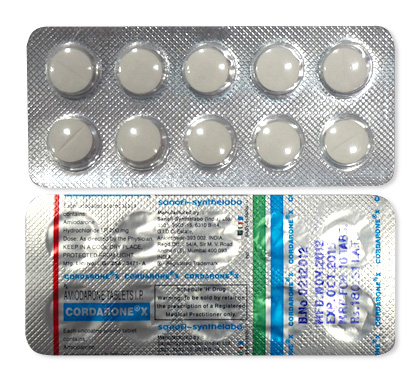
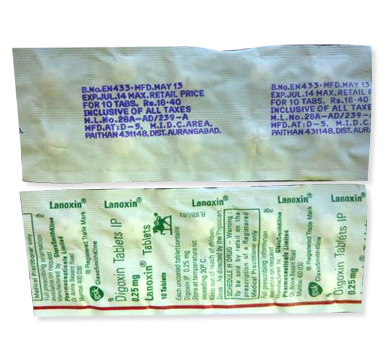
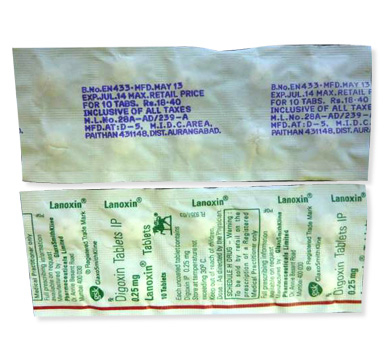
Several effective medications are used to restore and maintain normal heart rhythm:
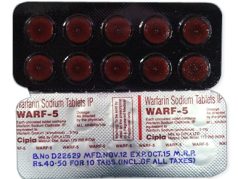
Patients with atrial fibrillation often require blood thinners to prevent stroke. Options include traditional Warfarin (Coumadin) with regular INR monitoring, and newer direct oral anticoagulants like Apixaban (Eliquis), Rivaroxaban (Xarelto), and Dabigatran (Pradaxa), which offer convenience with less frequent monitoring requirements.
Treatment strategies focus on either rhythm control (restoring normal heart rhythm) or rate control (managing heart rate while accepting irregular rhythm). Your healthcare provider will determine the best approach based on your specific condition, symptoms, and overall health status, with regular follow-up essential for optimal outcomes.
Heart failure is a progressive condition where the heart cannot pump blood effectively to meet the body's needs. While it's a serious condition, modern medications available in Canada can significantly improve symptoms, slow disease progression, and enhance quality of life when used as part of a comprehensive treatment plan.
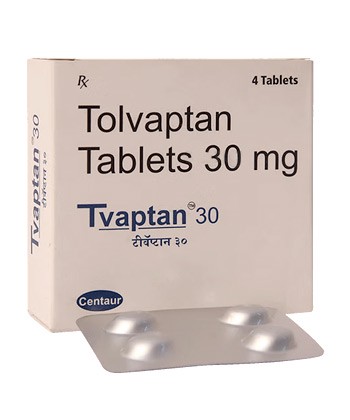
The foundation of heart failure treatment typically includes several medication classes working together:
Newer medications offer additional benefits for heart failure patients. Sacubitril/Valsartan (Entresto) combines an ARB with a neprilysin inhibitor to provide superior outcomes compared to ACE inhibitors alone. SGLT2 inhibitors, originally developed for diabetes, have shown remarkable benefits in reducing heart failure hospitalizations and cardiovascular death.
Heart failure management focuses not only on prolonging life but also on improving daily functioning and reducing symptoms like shortness of breath, fatigue, and fluid retention. Regular medication adjustments and monitoring ensure optimal therapeutic benefits while minimizing side effects, helping patients maintain independence and quality of life.
Blood clot formation can pose serious health risks when clots develop inappropriately or travel to vital organs. Thrombosis occurs when blood clots form within blood vessels, while embolism happens when these clots break free and block circulation elsewhere in the body. Common risk factors include prolonged immobility, certain medical conditions, surgery, and genetic predisposition. Understanding your personal risk profile helps healthcare providers determine the most appropriate prevention strategy for your cardiovascular health.
Antiplatelet drugs work by preventing blood cells called platelets from sticking together and forming clots. These medications are commonly prescribed for individuals at risk of heart attack or stroke:
Anticoagulants, often called blood thinners, work differently from antiplatelet drugs by interfering with the clotting cascade. These medications are prescribed for various conditions including atrial fibrillation, deep vein thrombosis, pulmonary embolism, and following certain heart valve procedures. Modern anticoagulants offer improved convenience and safety profiles compared to traditional warfarin therapy, though each medication has specific indications and considerations.
All blood-thinning medications carry an inherent risk of bleeding, making it essential to carefully balance the benefits of clot prevention against potential bleeding complications. Your healthcare provider will assess factors such as age, medical history, other medications, and lifestyle when determining the most appropriate therapy. Regular monitoring helps ensure you receive optimal protection while minimizing bleeding risks.
Different blood-thinning medications require varying levels of monitoring. Some newer anticoagulants require minimal routine monitoring, while others may need regular blood tests to ensure therapeutic levels. It's important to maintain regular follow-up appointments, report any unusual bleeding or bruising, and understand the signs that require immediate medical attention while taking these medications.
Emergency cardiovascular medications play a crucial role in managing acute situations and can be life-saving when used appropriately. These medications are designed to provide rapid relief of symptoms and help stabilize cardiovascular conditions during emergencies. Understanding how to properly use these medications and recognizing when they're needed is essential for anyone with cardiovascular conditions.
Nitroglycerin is a fast-acting medication that helps relieve chest pain by relaxing blood vessels and improving blood flow to the heart. Available in sublingual tablets, sprays, and patches, nitroglycerin can provide rapid relief during angina episodes. Proper technique includes sitting down before use, placing the tablet under the tongue or using the spray as directed, and seeking emergency care if pain persists after appropriate use according to your doctor's instructions.
During a suspected heart attack, time is critical, and certain medications may be administered by emergency medical services or in hospital settings. These may include clot-dissolving drugs, additional blood thinners, and medications to support heart function. However, the most important action is to call 911 immediately rather than attempting self-treatment, as professional medical intervention provides the best outcomes for heart attack management.
Recognizing cardiovascular emergencies can save lives. Seek immediate medical attention for chest pain lasting more than a few minutes, pain spreading to arms, neck, jaw, or back, shortness of breath, nausea, lightheadedness, or cold sweats. Other warning signs include sudden severe headache, difficulty speaking, weakness on one side of the body, or any symptom that feels different from your usual cardiovascular symptoms.
Emergency cardiovascular medications must be stored correctly to maintain their effectiveness:
Effective cardiovascular care requires strong communication and collaboration with your healthcare team. This includes family physicians, cardiologists, pharmacists, and other specialists who contribute to your care. Regular appointments allow for medication adjustments, monitoring of treatment effectiveness, and early detection of potential complications. Don't hesitate to ask questions about your medications, report side effects, and discuss any concerns about your treatment plan.
Consistent medication adherence is fundamental to successful cardiovascular treatment. Taking medications exactly as prescribed, at the same times each day, helps maintain steady therapeutic levels in your system. Missing doses or stopping medications without medical supervision can lead to serious complications. Use pill organizers, smartphone reminders, or other tools to help maintain your medication schedule, and work with your pharmacist to address any barriers to adherence such as cost, side effects, or complex dosing schedules.