Cholesterol is a waxy, fat-like substance found naturally in your blood and cells. While your body needs cholesterol to build healthy cells and produce hormones, too much can lead to serious health problems. Understanding cholesterol is crucial for maintaining cardiovascular health and preventing heart disease, which remains one of the leading causes of death among Canadians.
There are two main types of cholesterol that affect your health differently. Low-density lipoprotein (LDL), often called "bad" cholesterol, can build up in your artery walls, creating blockages that restrict blood flow. High-density lipoprotein (HDL), known as "good" cholesterol, helps transport cholesterol back to your liver for disposal, effectively cleaning your arteries.
High cholesterol significantly increases your risk of heart disease, stroke, and peripheral artery disease. According to Statistics Canada, approximately 39% of Canadian adults have high total cholesterol levels. Risk factors include genetics, diet high in saturated fats, lack of physical activity, smoking, and age. The consequences of untreated high cholesterol can be severe, including heart attacks and strokes that could be prevented through proper management.
Regular cholesterol testing is essential for maintaining heart health and catching potential problems early. Health Canada recommends that adults aged 40 and older get tested every one to three years, while those with risk factors may need more frequent monitoring. Your healthcare provider will determine the appropriate testing schedule based on your individual health profile and family history.
A complete cholesterol test measures several key components. Target levels for Canadian adults include:
While laboratory tests remain the gold standard, Health Canada-approved at-home cholesterol testing kits are now available at many Canadian pharmacies. These convenient options provide preliminary results, though follow-up with your healthcare provider is recommended for comprehensive assessment and treatment planning.
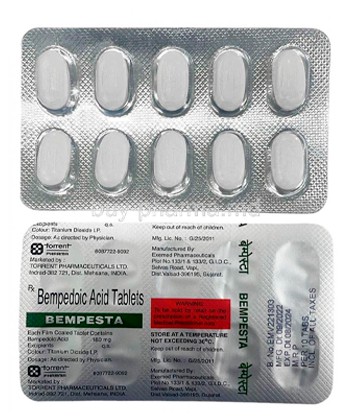
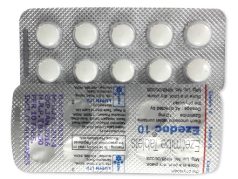
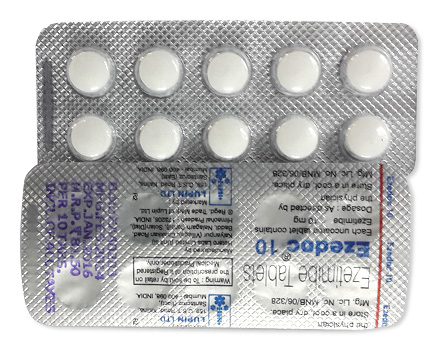
Health Canada has approved several effective prescription medications to help manage cholesterol levels. These medications are available through Canadian pharmacies with a valid prescription from your healthcare provider.
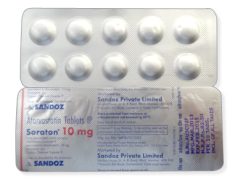
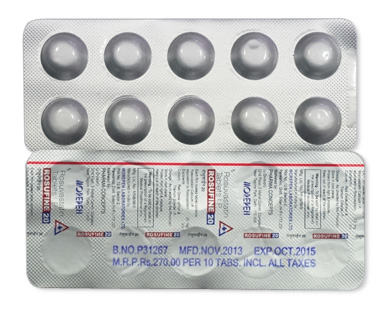
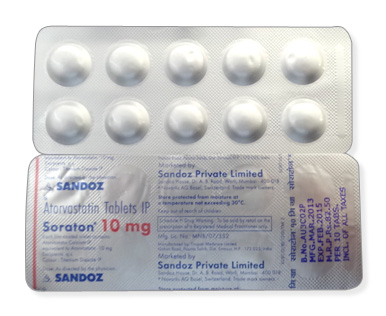
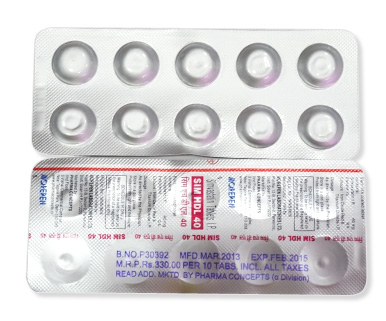
Statins are the most commonly prescribed cholesterol-lowering medications in Canada. Popular options include:
These medications work by blocking an enzyme your liver needs to produce cholesterol, effectively reducing total cholesterol and LDL (bad cholesterol) levels by 20-60%.
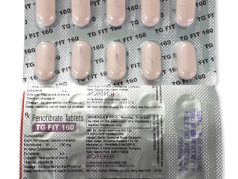
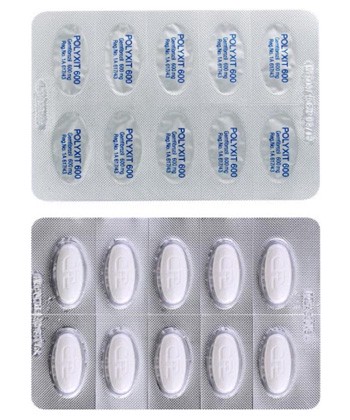
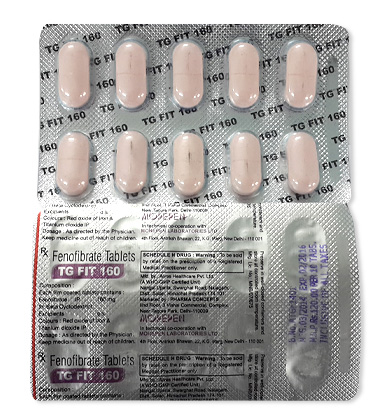
For patients requiring additional cholesterol management, PCSK9 inhibitors like Evolocumab (Repatha) and Alirocumab (Praluent) offer powerful LDL reduction. Bile acid sequestrants such as Cholestyramine and Colesevelam help remove cholesterol from the body, while fibrates like Fenofibrate and Gemfibrozil are particularly effective for lowering triglycerides.
Your pharmacist can provide detailed information about dosing, potential side effects, and drug interactions for all prescription cholesterol medications available in Canada.
Canadian pharmacies offer various over-the-counter products that may help support healthy cholesterol levels as part of a comprehensive approach to cardiovascular health.
Plant sterols and stanols supplements are clinically proven to help reduce cholesterol absorption in the digestive system. These products typically reduce LDL cholesterol by 6-15% when used as directed. Red yeast rice products, which contain naturally occurring compounds similar to statins, are also available in Canada under Natural Health Product regulations.
Omega-3 fatty acid supplements, particularly those containing EPA and DHA, can help support heart health and may assist with triglyceride management. High-quality fiber supplements offer additional benefits:
All natural health products sold in Canada must meet Health Canada's safety and quality standards. Consult with your pharmacist to determine which over-the-counter options may be appropriate for your individual needs.
Making smart dietary choices is one of the most effective ways to manage your cholesterol levels naturally. Focus on incorporating heart-healthy foods such as oats, barley, beans, and lentils, which contain soluble fibre that helps reduce LDL (bad) cholesterol. Include fatty fish like salmon, mackerel, and sardines twice weekly for their omega-3 fatty acids. Limit saturated fats found in red meat and full-fat dairy products, and avoid trans fats completely by reading nutrition labels carefully.
Regular physical activity can significantly improve your cholesterol profile by raising HDL (good) cholesterol and lowering LDL cholesterol. Health Canada recommends at least 150 minutes of moderate-intensity aerobic activity weekly. This can include brisk walking, cycling, swimming, or dancing. Even small increases in daily activity, such as taking stairs instead of elevators or parking further away, can make a meaningful difference in your cholesterol management.
Maintaining a healthy weight through balanced nutrition and regular exercise supports optimal cholesterol levels. If you smoke, quitting is crucial as smoking lowers HDL cholesterol and damages blood vessels. Managing stress through techniques like meditation, deep breathing exercises, or yoga can also positively impact your cardiovascular health and cholesterol levels.
Your pharmacist plays a vital role in cholesterol management by providing medication counselling, monitoring for potential drug interactions, and ensuring you understand proper dosing schedules. They can also help you navigate insurance coverage options under provincial health plans and private insurance. Many cholesterol medications are covered under provincial formularies, but coverage may vary depending on your specific medication and province.
To maximize the effectiveness of your cholesterol treatment plan, consider these important strategies:
Contact your healthcare provider if you experience persistent side effects, have concerns about drug interactions, or if your cholesterol levels aren't improving as expected with your current treatment plan.