Diabetes is a chronic medical condition that affects how your body processes glucose (blood sugar), the main source of energy for your cells. When you have diabetes, your body either doesn't produce enough insulin or cannot effectively use the insulin it produces, leading to elevated blood sugar levels that require careful management.
Type 1 diabetes is an autoimmune condition where the body's immune system attacks and destroys the insulin-producing cells in the pancreas. This type typically develops in childhood or adolescence but can occur at any age. People with Type 1 diabetes require daily insulin therapy through injections or an insulin pump to survive, as their bodies produce little to no insulin naturally.
Type 2 diabetes is the most common form, accounting for approximately 90% of all diabetes cases in Canada. It occurs when the body becomes resistant to insulin or when the pancreas doesn't produce enough insulin. This condition is often linked to lifestyle factors such as diet, physical activity, and weight management. Many people with Type 2 diabetes can manage their condition through lifestyle changes, oral medications, or insulin therapy when needed.
Gestational diabetes develops during pregnancy when hormonal changes affect insulin function. While it typically resolves after delivery, women who experience gestational diabetes have an increased risk of developing Type 2 diabetes later in life. Proper management during pregnancy is crucial for both maternal and fetal health.
Pre-diabetes is a condition where blood sugar levels are higher than normal but not yet high enough to be classified as Type 2 diabetes. Early intervention through lifestyle modifications, including healthy eating and regular physical activity, can often prevent or delay the progression to Type 2 diabetes.
Several factors can increase your risk of developing diabetes:
Regular blood sugar monitoring is essential for diabetes management, helping individuals understand how food, activity, stress, and medications affect their glucose levels. Without proper management, diabetes can lead to serious long-term complications including heart disease, kidney damage, nerve damage, eye problems, and poor wound healing.
Regular blood sugar testing is fundamental to effective diabetes management, allowing you to make informed decisions about medication, diet, and lifestyle choices. Canadian pharmacies offer a wide range of testing supplies and monitoring devices to help you maintain optimal glucose control.
Blood glucose meters are portable devices that measure your blood sugar levels using a small drop of blood. These meters are widely available in Canadian pharmacies and come in various models with different features such as large displays, memory storage, and smartphone connectivity. When choosing a meter, consider factors like ease of use, cost of test strips, and any special features that might benefit your lifestyle.
Test strips are essential components that work with your glucose meter to provide accurate readings. Proper storage is crucial for maintaining their effectiveness – keep them in their original container, away from moisture and extreme temperatures. Check expiration dates regularly, as expired strips can provide inaccurate results. In Canada, test strips are often covered under provincial health plans or private insurance with a valid prescription.
CGMs and flash glucose monitors represent advanced monitoring technology that provides real-time glucose readings without the need for frequent finger pricks. These devices use a small sensor placed under the skin to track glucose levels throughout the day and night. Many CGMs can send alerts for high or low glucose levels and are increasingly covered by Canadian provincial health plans for eligible patients.
Lancets and lancing devices are used to obtain the small blood sample needed for glucose testing. Modern lancing devices offer adjustable depth settings for different skin types and can help minimize discomfort. Always use a new lancet for each test to ensure hygiene and accuracy, and dispose of used lancets properly in a sharps container.
To ensure accurate results, wash your hands before testing, use the side of your fingertip rather than the pad, and follow your meter's instructions carefully. Target blood sugar ranges vary throughout the day:
For individuals with Type 1 diabetes, ketone testing strips are also important for monitoring ketone levels, which can indicate diabetic ketoacidosis, a serious complication that requires immediate medical attention. Your healthcare provider will help determine the most appropriate testing schedule and target ranges for your specific situation.
Managing diabetes effectively often requires insulin therapy and other injectable medications. Understanding the different types available and proper administration techniques is essential for optimal blood glucose control and overall health outcomes.
Insulin medications are classified based on their onset, peak, and duration of action. Each type serves a specific purpose in diabetes management:
Canadian pharmacies stock several trusted insulin brands including NovoRapid and Humalog for rapid-acting needs, whilst Lantus and Levemir provide reliable long-acting coverage. These medications require proper prescription and are often covered under provincial health plans or private insurance.
Injectable GLP-1 receptor agonists such as Ozempic, Trulicity, and Victoza offer additional treatment options for Type 2 diabetes management. These medications help regulate blood sugar levels whilst potentially supporting weight management.
Insulin requires refrigeration before opening and should be stored at room temperature once in use. Never freeze insulin or expose it to extreme temperatures. Always check expiration dates and inspect for clumping or unusual appearance before use.
Proper injection technique includes rotating injection sites between the abdomen, thighs, and upper arms to prevent lipodystrophy. Use insulin pens, syringes, and pen needles as directed by your healthcare provider. Ensure needles are changed regularly and disposed of safely in approved sharps containers.
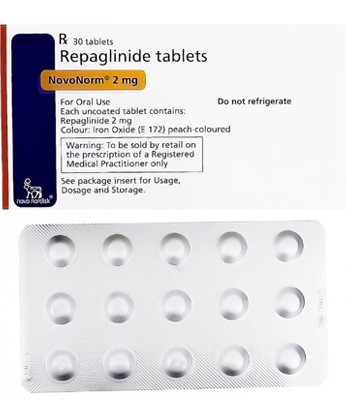
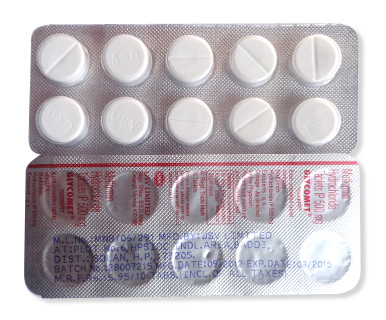
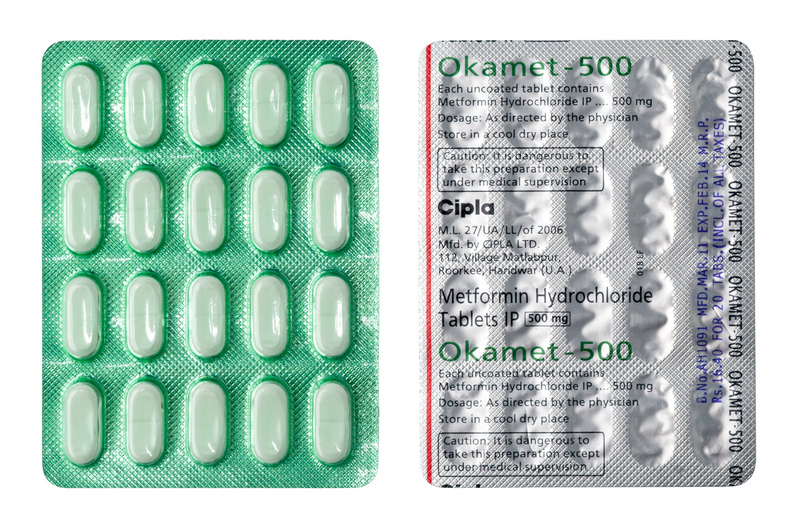
Metformin remains the cornerstone of Type 2 diabetes management in Canada, recommended by Diabetes Canada as the preferred initial medication. This highly effective oral medication works by reducing glucose production in the liver and improving insulin sensitivity in muscle tissues. Available in both immediate-release and extended-release formulations, metformin offers flexibility in dosing schedules to accommodate individual patient needs and lifestyle preferences.
SGLT2 inhibitors represent a modern approach to diabetes management, offering multiple health benefits beyond glucose control. These medications work by preventing glucose reabsorption in the kidneys, naturally lowering blood sugar levels while providing cardiovascular and kidney protection. Popular options include:
DPP-4 inhibitors offer a well-tolerated approach to blood sugar management by enhancing the body's natural incretin system. These medications, including Januvia (sitagliptin), Onglyza (saxagliptin), and Trajenta (linagliptin), work by increasing insulin production when blood sugar levels are elevated while reducing glucose production by the liver. They're particularly suitable for patients who require gentle, consistent glucose control with minimal risk of hypoglycemia.
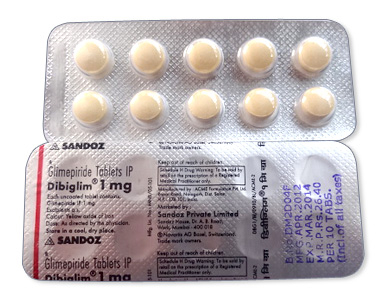
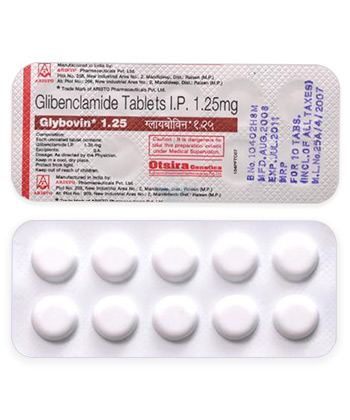
Sulfonylureas have been trusted diabetes medications for decades, effectively stimulating insulin production from pancreatic beta cells. While highly effective at lowering blood glucose levels, these medications require careful monitoring and meal timing to prevent hypoglycemic episodes. Common options include glyburide, gliclazide, and glimepiride, each offering different duration of action and dosing flexibility.
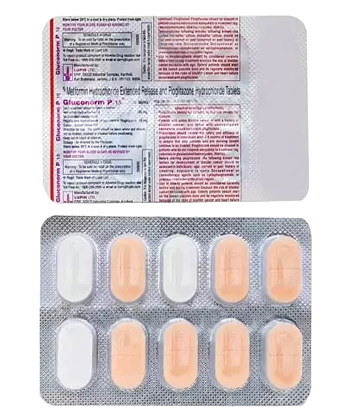
Combination diabetes medications streamline treatment regimens by incorporating two or more active ingredients in a single tablet. These formulations improve medication adherence while providing comprehensive glucose control through multiple mechanisms of action. Popular combinations include metformin with DPP-4 inhibitors, SGLT2 inhibitors, or sulfonylureas, offering convenience without compromising therapeutic effectiveness.
Glucose tablets and gels are essential emergency supplies for managing hypoglycemic episodes quickly and effectively. These fast-acting carbohydrate sources provide precise glucose amounts, typically 4 grams per tablet, allowing for accurate treatment of low blood sugar situations. Available in various flavours, these products are convenient to carry and have extended shelf lives for reliable emergency preparedness.
Medical alert bracelets and identification cards are crucial safety accessories for individuals with diabetes. These products ensure that emergency responders and healthcare providers are immediately aware of diabetes status during medical emergencies. Modern options include traditional engraved bracelets, USB medical ID devices, and smartphone-compatible emergency information systems.
Diabetic socks and specialized foot care products address the unique needs of individuals with diabetes who may experience reduced circulation and sensation. These products feature seamless construction, moisture-wicking materials, and graduated compression to promote healthy circulation while preventing blisters and pressure points that could lead to complications.
Insulin travel cases and cooling packs ensure medication integrity during transportation and varying temperature conditions. These specialized storage solutions maintain insulin within recommended temperature ranges, protecting this vital medication from extreme heat or cold that could compromise its effectiveness.
Sharps disposal containers provide safe, Health Canada-approved methods for disposing of used lancets, pen needles, and syringes. Blood pressure monitors designed for home use enable comprehensive cardiovascular monitoring, as individuals with diabetes have increased risk for hypertension and heart disease.
Diabetic-friendly protein shakes and meal replacements offer convenient nutrition options with controlled carbohydrate content and enhanced protein levels. These products help maintain stable blood sugar levels while providing essential nutrients, making them ideal for busy lifestyles or as part of structured meal planning.
Chromium and cinnamon supplements have gained attention for their potential role in supporting healthy blood sugar metabolism. While these natural supplements may offer additional support, they should always be used under healthcare provider guidance and never replace prescribed diabetes medications.
Omega-3 fatty acids provide important cardiovascular protection for individuals with diabetes, who face increased risk of heart disease. Vitamin D and B-complex vitamins support overall metabolic health, while fiber supplements can help slow glucose absorption and promote digestive health. Sugar-free formulations of vitamins and minerals ensure that supplement intake doesn't negatively impact blood sugar control.
Canadian pharmacists provide valuable consultation services regarding supplement interactions with diabetes medications. These healthcare professionals can help identify potential drug-nutrient interactions and recommend appropriate timing for supplement intake to optimize both medication effectiveness and nutritional support.