Hair loss affects millions of Canadians, with studies indicating that approximately 50% of men and 25% of women will experience some form of hair thinning by age 50. This common condition can significantly impact self-confidence and quality of life, making it essential to understand the various types and underlying causes.
Androgenetic alopecia, commonly known as male or female pattern baldness, represents the most prevalent form of hair loss in Canada. This hereditary condition affects hair follicles' sensitivity to dihydrotestosterone (DHT), leading to gradual thinning and eventual hair loss. Alopecia areata is an autoimmune condition causing patchy hair loss, whilst telogen effluvium results in temporary, widespread thinning due to stress or trauma to the hair growth cycle.
Several factors contribute to hair loss among Canadians:
Male pattern baldness typically begins with a receding hairline and crown thinning, often progressing to partial or complete baldness. Female pattern hair loss usually manifests as diffuse thinning across the crown whilst maintaining the hairline, rarely resulting in complete baldness.
Consult a healthcare professional if you notice sudden hair loss, patchy baldness, or if hair loss affects your emotional well-being. Early intervention often yields better treatment outcomes, and underlying medical conditions may require proper diagnosis and management.
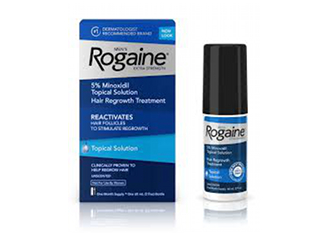
Health Canada-approved minoxidil remains the gold standard for over-the-counter hair loss treatment. Available in 2% and 5% concentrations, minoxidil comes in topical solutions and convenient foam formulations. The foam option is particularly popular among Canadian consumers due to easier application and faster drying time, making it suitable for our varied climate conditions.
Hair growth shampoos and conditioners containing ingredients like ketoconazole, caffeine, and saw palmetto are widely available across Canadian pharmacies. These products work by reducing scalp inflammation, improving blood circulation, and potentially blocking DHT at the follicle level. Whilst not as potent as medical treatments, they provide valuable support for overall scalp health.
Canadian pharmacies offer various hair health supplements targeting common nutritional deficiencies. Biotin supports keratin production, iron addresses deficiency-related hair loss common in Canadian women, zinc promotes follicle health, and saw palmetto may help reduce DHT levels naturally.
Advanced topical serums containing peptides, growth factors, and botanical extracts offer additional treatment options. These products often combine multiple active ingredients to address various aspects of hair loss simultaneously.
Most over-the-counter treatments require consistent use for 3-6 months before visible improvements appear. Initial results may include reduced hair shedding, followed by gradual regrowth. Patience and consistent application are crucial for achieving optimal results with any hair loss treatment regimen.
For Canadians experiencing significant hair loss, prescription medications offer clinically proven treatment options. These medications require proper medical supervision and are available through Canada's healthcare system with appropriate consultation.
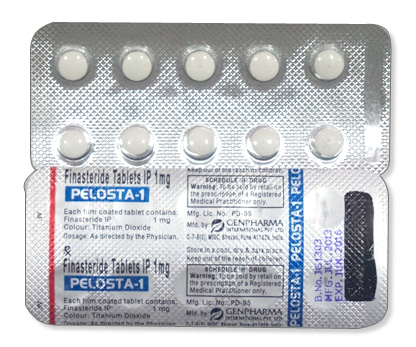
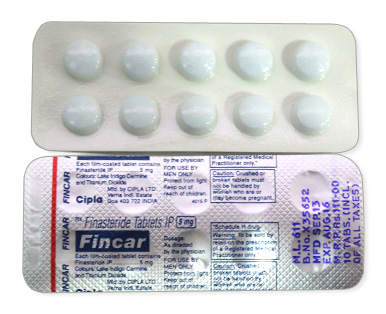
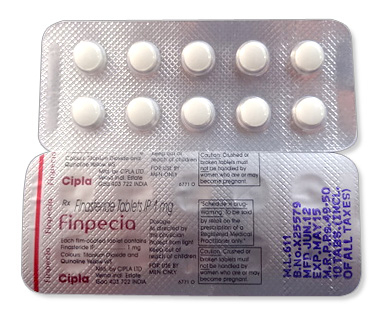
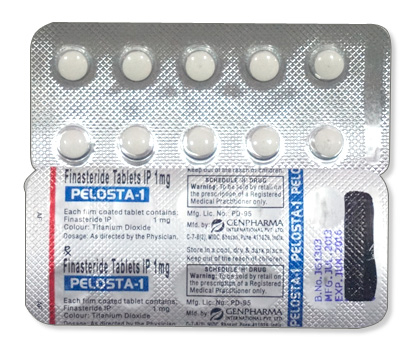
Finasteride is the most commonly prescribed oral medication for male pattern baldness in Canada. This Health Canada-approved treatment works by blocking the hormone DHT, which causes hair follicles to shrink. Clinical studies show that finasteride can slow hair loss in 80-90% of men and promote regrowth in approximately 65% of users. The medication requires daily use, and results typically become visible after 3-6 months of consistent treatment.
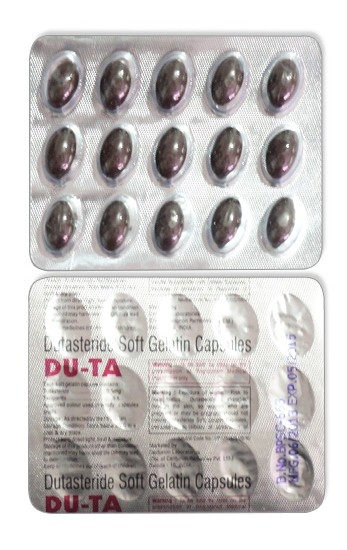
Dutasteride represents another effective option for men, offering potentially stronger DHT suppression than finasteride. For women experiencing hormonal hair loss, spironolactone may be prescribed, particularly when hair loss is linked to conditions like PCOS or hormonal imbalances. This medication works by blocking androgen receptors and is often combined with other treatments.
To obtain prescription hair loss medications, Canadians must consult with a physician or dermatologist. Many family doctors can prescribe these treatments, though referrals to specialists may be recommended for complex cases. Some provinces offer virtual consultations, making access more convenient for those in remote areas.
All prescription hair loss medications carry potential side effects that require monitoring. Finasteride may cause sexual side effects in a small percentage of men, while spironolactone can affect blood pressure and potassium levels. Regular follow-up appointments are essential to monitor treatment effectiveness and manage any adverse reactions. Pregnant women should never handle finasteride or dutasteride due to serious birth defect risks.
Supporting hair health through natural methods and lifestyle changes can complement medical treatments and promote stronger, healthier hair growth. These approaches focus on addressing underlying factors that contribute to hair loss and optimizing conditions for hair regrowth.
Proper nutrition plays a crucial role in maintaining healthy hair growth. Key nutrients include:
Chronic stress can trigger telogen effluvium, causing temporary but significant hair shedding. Regular exercise, meditation, and adequate sleep help manage stress levels. Gentle hair care practices are equally important—avoid excessive heat styling, tight hairstyles, and harsh chemical treatments that can damage hair follicles.
Scalp massage can improve circulation and potentially stimulate hair growth when performed regularly. Some Canadians find benefit in natural remedies like rosemary oil, pumpkin seed oil, or saw palmetto, though scientific evidence varies. While these approaches may support overall hair health, they're most effective when combined with proven medical treatments for significant hair loss.
Selecting the most effective hair loss treatment requires careful consideration of multiple factors unique to your situation. The Canadian market offers various options, from over-the-counter solutions to prescription medications, making it essential to understand which approach best suits your needs.
Your age plays a crucial role in treatment selection, as hair loss patterns and hormonal changes vary significantly across different life stages. Men typically experience androgenetic alopecia starting in their twenties or thirties, while women may notice thinning during menopause or after pregnancy. Gender-specific treatments are available, with some medications being exclusively formulated for men or women due to hormonal differences and safety considerations.
The type and severity of your hair loss determine which treatments will be most effective. Androgenetic alopecia responds well to minoxidil and finasteride, while conditions like alopecia areata may require different therapeutic approaches. Early-stage hair loss generally responds better to treatment than advanced cases, making prompt intervention crucial for optimal results.
Many Canadians find success combining multiple treatments for enhanced effectiveness. Popular combinations include:
Hair growth is a gradual process, and visible results typically require 3-6 months of consistent treatment. Initial shedding may occur as weaker hairs are replaced by stronger ones, which is often a positive sign that treatment is working. Complete hair restoration may not be achievable for everyone, but most users can expect to slow hair loss progression and achieve some degree of regrowth.
Treatment success depends heavily on consistent daily use as directed. Missing applications or stopping treatment prematurely can result in the loss of any progress made. Hair growth cycles operate on a three to four-month timeline, requiring patience as follicles transition through growth phases. Maintaining realistic expectations while staying committed to your treatment regimen is essential for achieving the best possible outcomes.
If you experience no improvement after six months of consistent treatment, or if side effects become problematic, it may be time to explore alternative approaches. Consulting with a healthcare provider can help identify underlying conditions that might be contributing to hair loss or suggest different treatment modalities better suited to your specific situation.
Using hair loss treatments safely requires understanding proper application methods, potential interactions, and when to seek professional guidance. Canadian regulations ensure product safety, but individual responses can vary, making informed use essential for optimal results.
Always read the complete product information before starting any hair loss treatment. Pay attention to application frequency, amount to use, and specific instructions for your hair type or condition. Canadian products include bilingual labelling with important safety information and proper usage guidelines. Never exceed recommended dosages, as this can increase the risk of side effects without improving effectiveness.
Hair loss medications can interact with other prescription drugs, supplements, or medical conditions. Minoxidil may affect blood pressure medications, while finasteride can influence prostate-specific antigen (PSA) test results. Inform your healthcare provider about all medications and supplements you're taking before starting hair loss treatment to avoid potentially dangerous interactions.
Professional guidance is particularly important for individuals with underlying health conditions, those taking multiple medications, or anyone experiencing sudden or severe hair loss. Canadian pharmacists and physicians can provide personalized advice based on your medical history and help determine the most appropriate treatment approach. They can also monitor your progress and adjust treatments as needed.
Regular assessment of treatment effectiveness helps ensure you're on the right track. Take monthly photos from the same angles and lighting conditions to document changes. Keep a treatment diary noting any side effects, changes in hair texture or growth, and adherence to your regimen. This information is valuable for healthcare providers when evaluating treatment success and making adjustments.
Seek immediate medical care if you experience severe allergic reactions such as difficulty breathing, swelling of the face or throat, or widespread rash. Other concerning symptoms include:
Prompt medical evaluation can help identify serious underlying conditions and prevent complications while ensuring you receive appropriate treatment for your specific situation.