Hepatitis C is a viral infection that primarily targets the liver, causing inflammation and potentially serious long-term damage. The virus interferes with normal liver function, which can lead to scarring (fibrosis), cirrhosis, and in severe cases, liver failure or liver cancer. While the liver has remarkable regenerative capabilities, chronic HCV infection can overwhelm these natural healing processes. Early detection and treatment are crucial for preventing permanent liver damage and maintaining optimal liver health throughout life.
HCV spreads primarily through blood-to-blood contact, with the most common transmission routes including sharing needles or drug equipment, receiving unscreened blood transfusions before 1992, and unsafe medical procedures. Additional risk factors include sharing personal items like razors or toothbrushes, getting tattoos or piercings with unsterilized equipment, and less commonly, sexual contact or mother-to-child transmission during birth.
Acute HCV infection occurs within the first six months after exposure, with many people experiencing no symptoms. Approximately 15-25% of individuals naturally clear the virus during this stage. However, 75-85% progress to chronic infection, where the virus persists long-term. Chronic HCV can remain silent for decades while gradually damaging the liver, making early detection essential for effective treatment.
Many people with HCV experience no symptoms for years or decades. When symptoms do occur, they may include:
In Canada, HCV screening involves a two-step process starting with an HCV antibody test to detect if you've ever been exposed to the virus. If positive, an HCV RNA test confirms active infection. Additional blood work may include liver function tests, complete blood count, and tests for hepatitis A and B. These tests are typically covered by provincial health insurance plans and can be ordered by your family doctor or at walk-in clinics.
Health Canada recommends testing for anyone born between 1945-1975, individuals with risk factors like injection drug use, and those who received blood products before 1992. Healthcare workers, people with HIV, and those with elevated liver enzymes should also be tested. Annual testing is recommended for ongoing high-risk individuals, while others may need one-time screening based on their risk profile.
HCV test results indicate either exposure history (antibody positive) or active infection (RNA positive). If actively infected, genotype testing determines which of six main HCV strains you have, with genotypes 1 and 3 being most common in Canada. Genotype information is crucial for selecting the most effective direct-acting antiviral treatment regimen. Your healthcare provider will explain results and discuss treatment options, with cure rates exceeding 95% for most patients with modern therapies available through Canadian healthcare systems.
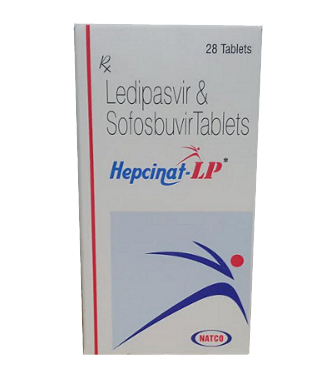
Sofosbuvir-based combination therapies represent the gold standard for hepatitis C treatment in Canada. Epclusa combines sofosbuvir with velpatasvir, providing pangenotypic coverage for all HCV genotypes with excellent efficacy rates. Harvoni combines sofosbuvir with ledipasvir, specifically targeting genotypes 1, 4, 5, and 6. These once-daily oral medications offer simplified treatment regimens with minimal side effects. Both formulations demonstrate sustained virologic response rates exceeding 95% across different patient populations. Health Canada has approved these therapies as first-line treatments, making them widely accessible through provincial drug formularies across Canadian provinces and territories.
Maviret represents an innovative pangenotypic DAA therapy combining glecaprevir and pibrentasvir in a single tablet formulation. This combination therapy effectively treats all six major HCV genotypes with exceptional cure rates exceeding 97%. The medication offers the advantage of an 8-week treatment duration for most treatment-naïve patients, making it one of the shortest HCV treatment courses available in Canada. Maviret has demonstrated excellent safety profiles and minimal drug interactions, making it suitable for diverse patient populations including those with compensated cirrhosis.
Velpatasvir combined with sofosbuvir provides comprehensive pangenotypic treatment coverage for Canadian patients with chronic hepatitis C infection. This combination demonstrates high barrier to resistance and excellent efficacy across all HCV genotypes. The formulation is particularly effective for treatment-experienced patients and those with compensated cirrhosis. Clinical studies have shown sustained virologic response rates of 95-99% depending on patient characteristics and treatment history. The combination is well-tolerated with few reported adverse effects, making it an excellent choice for patients requiring reliable, once-daily oral therapy with predictable outcomes.
Treatment duration for DAA therapies in Canada typically ranges from 8-12 weeks depending on HCV genotype and patient factors. Genotype 1 patients achieve 95-99% cure rates with 8-12 week regimens. Genotypes 2 and 3 demonstrate similar success rates with 8-12 week treatments. Genotypes 4, 5, and 6 show excellent response rates with standardized 12-week courses. Patients with cirrhosis may require extended 12-week treatment durations. Cure rates consistently exceed 95% across all genotypes when patients complete their prescribed treatment regimen as directed by healthcare providers.
Canadian hepatitis C treatment guidelines emphasize universal access to DAA therapy regardless of fibrosis stage or disease severity. The Canadian Association for the Study of the Liver (CASL) recommends immediate treatment for all diagnosed patients unless contraindications exist. Healthcare providers follow standardized protocols including genotype testing, baseline assessments, and regular monitoring throughout treatment. Provincial treatment guidelines align with national recommendations, ensuring consistent care across Canada. Treatment decisions prioritize pangenotypic regimens to simplify prescribing and improve patient outcomes while considering individual patient factors such as previous treatment history and comorbidities.
Provincial drug plans across Canada provide comprehensive coverage for approved DAA medications through various formulary programs. Coverage criteria have expanded significantly, removing previous restrictions related to fibrosis staging and substance use. Most provinces require prior authorization with documented HCV diagnosis and genotype results. Private insurance plans typically complement provincial coverage, reducing patient out-of-pocket costs. Patient assistance programs from pharmaceutical manufacturers provide additional support for eligible individuals.
Healthcare providers must carefully evaluate potential drug interactions before initiating DAA therapy, particularly with common medications including:
Severe hepatic impairment represents a primary contraindication for certain DAA regimens. Pregnancy requires careful consideration and specialist consultation before treatment initiation.
Modern direct-acting antiviral (DAA) medications for hepatitis C are generally well-tolerated, with most patients experiencing mild to moderate side effects. Common reactions include fatigue, headache, nausea, diarrhoea, and difficulty sleeping. These symptoms typically resolve within the first few weeks of treatment and rarely require discontinuation of therapy.
HCV medications can interact with various prescription drugs, over-the-counter medications, and herbal supplements. Always inform your healthcare provider and pharmacist about all medications you're taking. Some interactions may require dose adjustments or alternative treatments to ensure both safety and effectiveness of your hepatitis C therapy.
Regular monitoring during HCV treatment includes blood tests to assess viral load, liver function, and potential side effects. Your healthcare provider will schedule follow-up appointments to track treatment progress and ensure optimal outcomes throughout your therapy course.
Supporting liver health during treatment enhances recovery outcomes. Key modifications include avoiding alcohol completely, maintaining a balanced diet rich in fruits and vegetables, staying hydrated, getting adequate rest, and engaging in light exercise as tolerated. Consider discussing hepatitis A and B vaccination with your healthcare provider for comprehensive liver protection.
HCV prevention focuses on avoiding blood-to-blood contact. Key prevention strategies include:
Sustained virologic response (SVR) is confirmed through blood testing 12 weeks after completing treatment. This test determines if the virus is permanently cleared from your system. Additional monitoring may be recommended based on your individual risk factors and treatment history.
Even after successful HCV treatment, ongoing liver health monitoring is important, especially for those with previous liver damage or cirrhosis. Regular check-ups may include liver function tests, imaging studies, and screening for liver cancer. Maintaining healthy lifestyle choices continues to support long-term liver health and overall well-being.
Canadian Liver Foundation, provincial hepatitis C programs, and local community health centres provide ongoing support, education, and resources. Many provinces offer specialized hepatitis C clinics and patient navigation services to assist with treatment and follow-up care.