Human Immunodeficiency Virus (HIV) is a virus that attacks the body's immune system, specifically targeting CD4+ T cells. HIV and AIDS are not the same condition. HIV is the virus itself, while Acquired Immunodeficiency Syndrome (AIDS) is the most advanced stage of HIV infection. A person can live with HIV for many years without developing AIDS, especially with proper treatment and care.
HIV progressively weakens the immune system by destroying CD4+ T cells, which are crucial for fighting infections and diseases. As the virus replicates, it reduces the body's ability to defend against opportunistic infections and certain cancers that wouldn't typically affect someone with a healthy immune system.
HIV is transmitted through specific body fluids including blood, semen, vaginal fluids, and breast milk. Common transmission routes include unprotected sexual contact, sharing needles, and from mother to child during pregnancy, childbirth, or breastfeeding. Prevention methods include:
HIV infection progresses through three stages: acute infection, chronic infection, and AIDS. Early detection through regular testing is crucial as modern antiretroviral therapy can effectively suppress the virus, allowing people with HIV to live long, healthy lives while preventing transmission to others.
Canada offers several HIV testing options including rapid point-of-care tests that provide results within minutes, standard laboratory blood tests, and home testing kits. The most common tests detect HIV antibodies, antigens, or genetic material of the virus. Healthcare providers will determine the most appropriate test based on individual circumstances and risk factors.
HIV testing is widely accessible across Canada through various locations:
HIV tests may not detect the virus immediately after exposure due to the "window period" - the time between infection and when tests can accurately detect HIV. This period varies from 10 days to 3 months depending on the test type. Healthcare providers will explain results and recommend retesting if exposure occurred recently.
All Canadian provinces and territories offer confidential HIV testing, with many also providing anonymous testing options. Testing is typically covered by provincial health insurance plans, ensuring accessibility regardless of financial circumstances. Healthcare providers are bound by strict confidentiality laws, and patients have control over who receives their test results.
Antiretroviral therapy represents the cornerstone of HIV treatment in Canada, transforming what was once a fatal diagnosis into a manageable chronic condition. The primary goal of ART is to suppress HIV viral load to undetectable levels, allowing individuals to maintain healthy immune function and prevent transmission to others. Health Canada has approved numerous HIV medications that work by targeting different stages of the virus's life cycle, providing healthcare providers with multiple treatment options to create personalized therapy regimens.
Modern HIV treatment in Canada utilizes medications from several distinct classes, each targeting specific mechanisms of viral replication. Healthcare providers typically combine drugs from different classes to create highly effective treatment regimens that minimize the risk of resistance development. The following classes of antiretroviral medications are currently available through Canadian pharmacies:
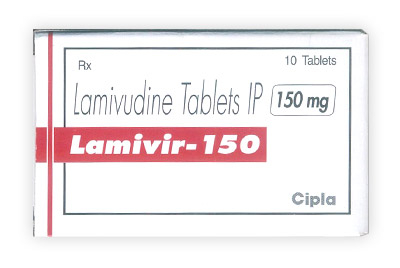
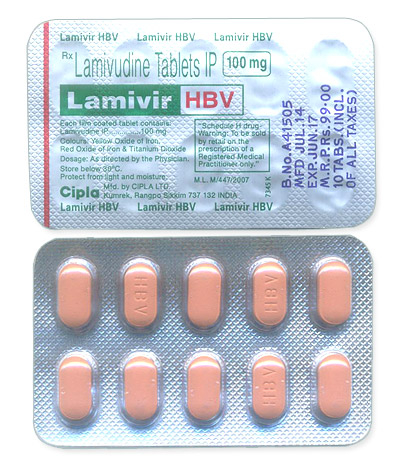
NRTIs were among the first HIV medications developed and remain fundamental components of many treatment regimens. These medications work by mimicking the building blocks of DNA, causing the virus to incorporate faulty genetic material that prevents successful replication. Common NRTIs available in Canada include tenofovir disoproxil fumarate, tenofovir alafenamide, emtricitabine, and lamivudine. These medications are typically well-tolerated but require monitoring for potential side effects including kidney function and bone density changes.
NNRTIs represent another important class of HIV medications that block the reverse transcriptase enzyme through a different mechanism than NRTIs. These medications bind directly to the enzyme, preventing it from converting HIV's RNA into DNA. Rilpivirine and efavirenz are commonly prescribed NNRTIs in Canada, often formulated in combination tablets for improved adherence. NNRTIs may interact with various medications and require careful consideration of potential drug interactions.
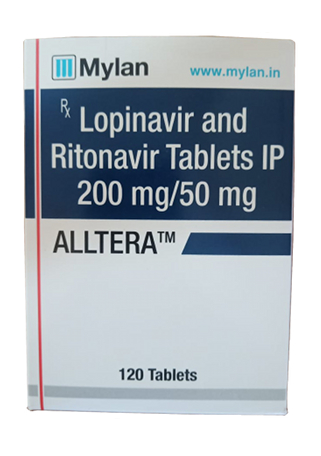
Protease inhibitors target a different stage of the HIV life cycle by blocking the protease enzyme responsible for cutting newly formed viral proteins into functional components. While highly effective, PIs are less commonly used as first-line therapy due to their interaction profile and side effect considerations. Darunavir and atazanavir are examples of protease inhibitors available in Canadian pharmacies, typically boosted with ritonavir or cobicistat to enhance their effectiveness.
INSTIs have become the preferred class for first-line HIV treatment due to their excellent efficacy, tolerability, and low interaction potential. These medications prevent HIV from integrating its genetic material into the host cell's DNA, effectively blocking infection. Dolutegravir, bictegravir, and raltegravir are INSTIs commonly prescribed in Canada, often forming the backbone of modern single-tablet regimens.
Entry and fusion inhibitors represent specialized medications that prevent HIV from entering or fusing with target cells. While not commonly used in routine treatment, these medications provide important options for individuals with drug-resistant virus or specific clinical circumstances. Maraviroc is an example of a CCR5 antagonist available in Canada that blocks one of the co-receptors HIV uses to enter cells.
Modern HIV treatment emphasizes convenience and adherence through single-tablet regimens that combine multiple medications into one daily pill. These combinations have revolutionized treatment adherence and quality of life for people living with HIV in Canada. Popular single-tablet regimens include combinations of integrase inhibitors with NRTIs, providing complete treatment in a convenient once-daily formulation.
The Canadian pharmaceutical market offers a comprehensive range of HIV medications, including both brand-name and generic formulations. Access to these medications is facilitated through various provincial drug coverage programs, private insurance plans, and manufacturer assistance programs, ensuring that cost does not become a barrier to life-saving treatment.
Health Canada has approved numerous brand-name HIV medications, with generic alternatives becoming increasingly available as patents expire. Generic medications provide the same therapeutic benefits as brand-name products while offering significant cost savings for patients and healthcare systems. Provincial formularies and drug coverage programs regularly update their listings to include new generic options, improving accessibility across Canada.
Several HIV medications have emerged as preferred first-line treatments in Canadian clinical practice due to their superior efficacy, safety profiles, and convenience factors:
Most modern HIV medications prescribed in Canada follow convenient once-daily dosing schedules, significantly improving adherence compared to older regimens requiring multiple daily doses. Single-tablet regimens are typically taken once daily with or without food, though specific administration requirements vary by medication. Some medications require administration with food to optimize absorption, while others may be taken regardless of meal timing. Healthcare providers work closely with patients to establish dosing routines that fit individual lifestyles and maximize adherence.
HIV medications can interact with various prescription medications, over-the-counter products, and natural health products commonly used by Canadian patients. Pharmacists play a crucial role in screening for potential interactions and providing guidance on safe medication use. Common interactions include those with proton pump inhibitors, certain antibiotics, and medications metabolized through specific liver enzyme pathways. Some HIV medications are contraindicated in patients with severe kidney or liver disease, requiring careful selection of alternative regimens.
Regular monitoring ensures the safety and effectiveness of HIV treatment while allowing for early detection of potential side effects. Monitoring requirements vary by medication class and individual patient factors, typically including viral load and CD4 cell count assessments, kidney and liver function tests, and bone density evaluations for certain medications. Canadian treatment guidelines provide specific recommendations for monitoring frequency and parameters, ensuring consistent care across the country. Most patients require laboratory monitoring every three to six months once stable on treatment, with more frequent monitoring during treatment initiation or changes.
Pre-Exposure Prophylaxis (PrEP) is a daily medication regimen that significantly reduces the risk of HIV infection in high-risk individuals. Health Canada recommends PrEP for adults who are HIV-negative but at substantial risk, including men who have sex with men, individuals with HIV-positive partners, people who inject drugs, and those engaging in high-risk sexual behaviours.
In Canada, Truvada (emtricitabine/tenofovir disoproxil fumarate) and Descovy (emtricitabine/tenofovir alafenamide) are approved PrEP medications. Post-Exposure Prophylaxis (PEP) involves taking HIV medications within 72 hours of potential exposure and continuing for 28 days. PEP is available through emergency departments and sexual health clinics across Canada.
Provincial drug coverage varies significantly, with some provinces providing full coverage while others require private insurance or out-of-pocket payment. Regular monitoring includes:
When taken consistently, PrEP reduces HIV transmission risk by over 90% in sexual transmission and 70% in injection drug use.
Successful HIV treatment requires consistent medication adherence to maintain an undetectable viral load. Effective strategies include using pill organizers, smartphone reminders, and establishing daily routines. Modern HIV medications have fewer side effects, but managing potential interactions with other medications requires coordination with healthcare providers and pharmacists.
Regular healthcare visits typically occur every three to six months, monitoring viral load, CD4 counts, and overall health. Provincial drug programs provide varying levels of coverage:
Numerous organizations across Canada provide HIV support, including the Canadian AIDS Society, regional AIDS service organizations, and community health centres. Mental health services, peer support groups, and counselling are widely available. HIV-positive individuals have legal protections against discrimination under the Canadian Charter of Rights and Freedoms. Disclosure laws vary by province, but generally, individuals with undetectable viral loads have different legal obligations regarding disclosure to sexual partners.
Comprehensive care includes regular exercise, proper nutrition, mental health support, and preventive healthcare measures like vaccinations and cancer screenings.