Muscle relaxants are prescription medications designed to reduce muscle tension, spasms, and pain by affecting the central nervous system's control over muscle contractions. These medications work by interrupting nerve signals between the brain, spinal cord, and muscles, helping to alleviate discomfort and improve mobility for patients experiencing various musculoskeletal conditions.
There are two primary categories of muscle relaxants: skeletal muscle relaxants and antispasmodics. Skeletal muscle relaxants primarily target voluntary muscle movements and are commonly used for acute muscle injuries, while antispasmodics focus on reducing involuntary muscle contractions and spasticity often associated with neurological conditions.
Healthcare providers in Canada typically prescribe muscle relaxants for conditions such as acute back pain, neck strain, muscle spasms following injury, fibromyalgia, and certain neurological disorders like multiple sclerosis or spinal cord injuries. These medications are usually recommended as part of a comprehensive treatment plan that may include physiotherapy, rest, and other pain management strategies to optimize patient recovery and comfort.
Canadian pharmacies offer several categories of muscle relaxants, each designed for specific conditions and patient needs. Central-acting muscle relaxants represent the most commonly prescribed category, working directly on the central nervous system to reduce muscle tension and spasms.
The most frequently prescribed central-acting muscle relaxants in Canada include:
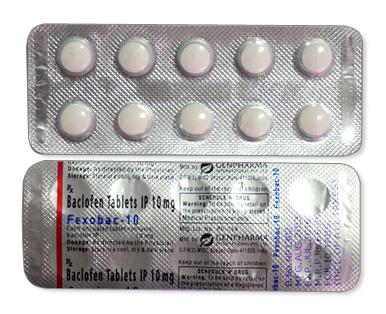
For patients with neurological conditions causing spasticity, healthcare providers may prescribe baclofen or tizanidine. These medications specifically target spastic muscle contractions and are particularly effective for conditions like multiple sclerosis or spinal cord injuries.
All systemic muscle relaxants in Canada require a valid prescription from a licensed healthcare provider. While some topical muscle relaxants containing ingredients like menthol or capsaicin are available over-the-counter, their effectiveness is generally limited to superficial muscle discomfort and minor strains.
Muscle relaxants are prescribed by healthcare providers across Canada to address a wide range of conditions that cause muscle tension, spasms, and associated pain. These medications work by targeting different pathways in the nervous system to reduce muscle contractions and provide relief from discomfort.
Lower back pain is one of the most common reasons Canadians seek muscle relaxant therapy. These medications help reduce muscle spasms that often accompany acute back injuries, herniated discs, or sudden strain from lifting or movement. When combined with rest and physiotherapy, muscle relaxants can significantly improve mobility and comfort during the healing process.
Cervical spine problems, including whiplash injuries and chronic neck tension, respond well to muscle relaxant treatment. These conditions often involve protective muscle spasms that can worsen pain and limit range of motion. Muscle relaxants help break this cycle by reducing involuntary muscle contractions in the neck and upper shoulder region.
After accidents or injuries, the body's natural response often includes muscle spasms as a protective mechanism. While this response serves a purpose initially, prolonged spasms can impede healing and cause additional pain. Muscle relaxants prescribed during recovery help manage these protective spasms while allowing proper rehabilitation to occur.
Patients with neurological conditions such as multiple sclerosis and cerebral palsy frequently experience muscle spasticity that interferes with daily activities. Long-term muscle relaxant therapy, under careful medical supervision, helps manage these symptoms and improve quality of life. Treatment plans are typically individualized based on the severity of symptoms and patient response.
Following surgical procedures or sports-related injuries, muscle relaxants play an important role in the recovery process. They help reduce muscle tension around surgical sites and assist athletes in managing muscle strains, pulls, and overuse injuries during rehabilitation.
Following proper dosage and administration guidelines is essential for safe and effective muscle relaxant therapy. Each medication has specific requirements, and patients should always follow their healthcare provider's instructions and the directions provided by their Canadian pharmacy.
Muscle relaxant dosing varies significantly depending on the specific medication prescribed, patient age, weight, and medical condition being treated. Most medications are started at the lowest effective dose and adjusted based on patient response and tolerance. Healthcare providers typically prescribe these medications for short-term use, usually ranging from a few days to several weeks.
Some muscle relaxants should be taken with food to reduce stomach irritation, while others may be taken on an empty stomach for better absorption. Patients should clarify these requirements with their pharmacist and maintain consistent timing with meals. It's important to swallow tablets or capsules whole unless specifically instructed otherwise by your healthcare provider.
Patients should contact their healthcare provider if they experience inadequate pain relief, concerning side effects, or if their condition worsens despite treatment. Additionally, any signs of allergic reactions, unusual drowsiness, or difficulty breathing require immediate medical attention. Regular follow-up appointments allow for proper monitoring and dosage adjustments as needed.
Some muscle relaxants require gradual dose reduction rather than abrupt discontinuation to prevent withdrawal symptoms or rebound muscle spasms. Your healthcare provider will provide specific instructions for safely stopping your medication when treatment is no longer needed. Never stop taking prescribed muscle relaxants suddenly without consulting your healthcare provider first.
Understanding the potential side effects and safety considerations of muscle relaxants is crucial for safe and effective treatment. While these medications can provide significant relief from muscle spasms and pain, they require careful monitoring and awareness of their effects on your body.
Most patients experience mild to moderate side effects when taking muscle relaxants. The most frequently reported side effects include:
While uncommon, some side effects require immediate medical intervention. Contact your healthcare provider or seek emergency care if you experience severe allergic reactions, difficulty breathing, chest pain, irregular heartbeat, severe weakness, or signs of liver problems such as yellowing of the skin or eyes.
Certain individuals should avoid muscle relaxants or use them with extreme caution. Patients with liver disease, kidney dysfunction, myasthenia gravis, or a history of substance abuse require special consideration. Those with respiratory conditions may be at increased risk for breathing complications.
Muscle relaxants can interact dangerously with alcohol, sedatives, sleep medications, and certain antidepressants, potentially causing excessive sedation or respiratory depression. Always inform your pharmacist about all medications, supplements, and herbal products you're taking to avoid harmful interactions.
Older adults face increased risks when using muscle relaxants, including higher fall risk due to dizziness and sedation. Healthcare providers often recommend lower starting doses and more frequent monitoring for elderly patients to ensure safety and effectiveness.
Never drive or operate heavy machinery while taking muscle relaxants, especially during the first few days of treatment or when adjusting dosages. These medications can significantly impair reaction times, coordination, and judgment, making activities requiring alertness dangerous.
Pregnant and breastfeeding women should discuss the risks and benefits of muscle relaxants with their healthcare provider. Some muscle relaxants may cross the placenta or be excreted in breast milk, potentially affecting the developing baby or nursing infant.
Regular monitoring of liver and kidney function may be necessary during prolonged muscle relaxant therapy. Your healthcare provider will determine the appropriate frequency of blood tests based on your specific medication and health status.
Maximizing the benefits of muscle relaxant therapy while minimizing risks requires a comprehensive approach that extends beyond simply taking medication. Following these guidelines can help ensure optimal treatment outcomes.
Muscle relaxants work most effectively when combined with physical therapy and rehabilitation exercises. The medication helps reduce pain and muscle spasms, allowing you to participate more fully in therapeutic activities that promote healing and restore function. Work closely with your physiotherapist to develop an appropriate exercise program.
Supporting your muscle relaxant therapy with healthy lifestyle choices can improve treatment outcomes. Maintain proper hydration, follow a balanced diet rich in anti-inflammatory foods, practice good posture, and incorporate gentle stretching into your daily routine. Adequate sleep and stress management techniques also play crucial roles in muscle recovery.
Seek immediate medical attention if you experience severe allergic reactions, difficulty breathing, chest pain, signs of overdose such as extreme drowsiness or confusion, or any symptoms that concern you. Trust your instincts and don't hesitate to contact emergency services if you feel something is seriously wrong.
Store muscle relaxants in their original containers at room temperature, away from moisture, heat, and direct sunlight. Keep medications out of reach of children and pets, and never share prescription medications with others. Dispose of unused or expired medications through approved pharmaceutical disposal programs.
Regular communication with your pharmacist and healthcare team is essential for safe muscle relaxant use. Discuss any new symptoms, concerns about effectiveness, or changes in your health status. Your pharmacist can provide valuable insights about proper administration, potential interactions, and strategies for managing side effects.
Attend all scheduled follow-up appointments with your healthcare provider to monitor your progress and adjust treatment as needed. These visits allow for assessment of medication effectiveness, evaluation of side effects, and consideration of alternative treatment approaches if necessary.
Consider incorporating complementary therapies alongside your muscle relaxant treatment. Heat and cold therapy, massage, acupuncture, and relaxation techniques can enhance the effectiveness of your medication regimen. Always discuss these approaches with your healthcare provider to ensure they're appropriate for your specific condition and won't interfere with your prescribed treatment.