Quitting smoking is one of the most important decisions you can make for your health. Within minutes of your last cigarette, your body begins to heal itself. The health benefits start immediately and continue to improve over time, dramatically reducing your risk of heart disease, stroke, cancer, and numerous other smoking-related illnesses.
Your body's recovery follows a remarkable timeline. Within 20 minutes, your heart rate and blood pressure drop. After 12 hours, carbon monoxide levels normalise. Within weeks, circulation improves and lung function increases. After one year, your risk of heart disease is cut in half, and within 10 years, your lung cancer risk drops significantly compared to continuing smokers.
The financial benefits are substantial - a pack-a-day smoker in Canada can save over $4,000 annually. Beyond personal health, quitting smoking protects your family from secondhand smoke exposure and sets a positive example for children. However, common challenges include nicotine withdrawal, weight gain concerns, stress management, and breaking habitual behaviours associated with smoking.
Health Canada-approved NRT options help manage withdrawal symptoms by providing controlled doses of nicotine without harmful cigarette chemicals. These include nicotine patches, gum, lozenges, and inhalers, all available over-the-counter at Canadian pharmacies.
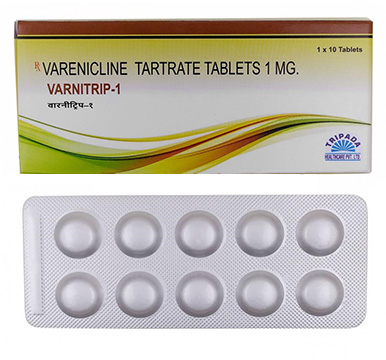
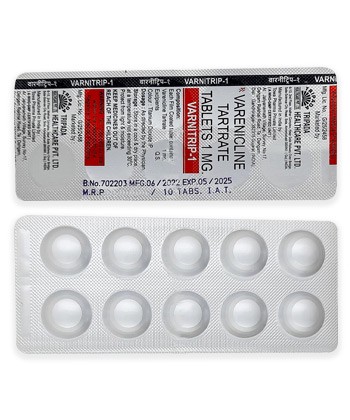
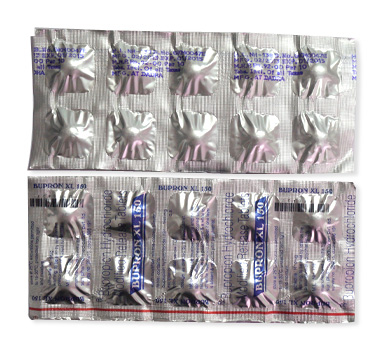
Prescription medications like varenicline and bupropion require consultation with healthcare providers. Many over-the-counter options are readily accessible, while natural supplements and herbal remedies offer alternative approaches for those preferring non-pharmaceutical solutions.
Many successful quitters benefit from combining multiple aids:
Nicotine Replacement Therapy (NRT) products are widely available over-the-counter in Canadian pharmacies and represent a proven first-line approach to smoking cessation. These products help manage withdrawal symptoms by delivering controlled amounts of nicotine without the harmful chemicals found in cigarettes.
Popular nicotine patches include Nicoderm and Habitrol, which provide steady nicotine release over 16 or 24 hours. Nicotine gum products like Nicorette and Thrive offer flexible dosing when cravings strike. Nicotine lozenges and tablets dissolve slowly in your mouth for gradual nicotine absorption, whilst nicotine inhalers and mouth sprays provide rapid relief for sudden urges.
Select your NRT product based on your smoking habits, lifestyle preferences, and craving patterns. Heavy smokers may benefit from patches combined with faster-acting options. Follow package directions carefully for proper dosing:
Common side effects include skin irritation from patches, jaw discomfort from gum, or throat irritation from sprays. Consult your pharmacist if you have heart conditions or are pregnant.
Prescription smoking cessation medications offer additional support for Canadians seeking to quit smoking, particularly when over-the-counter options haven't been successful. These medications work differently than NRT products by affecting brain chemistry related to nicotine addiction.
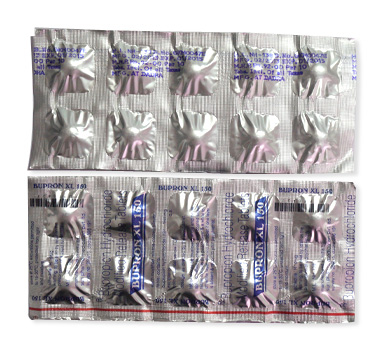
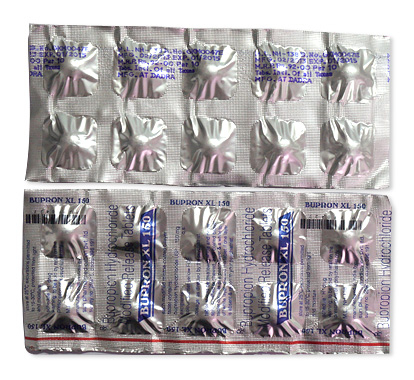
Varenicline, marketed as Champix in Canada, blocks nicotine receptors in the brain whilst reducing withdrawal symptoms and making smoking less satisfying. Bupropion, available as Zyban or Wellbutrin, is an antidepressant that helps reduce nicotine cravings and withdrawal symptoms by affecting dopamine and norepinephrine levels.
These medications require consultation with a healthcare provider who will assess your medical history, current medications, and smoking patterns. Your doctor will determine the appropriate medication and dosing schedule based on your individual needs.
Important considerations include:
Clinical studies show prescription aids can double or triple your chances of successfully quitting compared to willpower alone, with success rates ranging from 20-35% at one year.
Many Canadians explore natural options to support their quit journey. Herbal supplements like St. John's Wort, ginseng, and lobelia have been traditionally used, though it's essential to consult with your pharmacist before starting any herbal regimen, especially if you're taking other medications.
Modern technology offers valuable support through mobile apps that track your progress, calculate money saved, and provide daily motivation. Popular Canadian apps include QuitNow and Smoke Free, which help monitor your quit journey and connect you with other quitters across the country.
Support groups, both in-person and online, provide invaluable encouragement. Health Canada's tobacco quitline (1-866-366-3667) offers free counselling support in English and French. Many provinces also provide additional cessation programs through local health authorities.
Incorporating stress management techniques such as deep breathing exercises, meditation, or yoga can significantly improve your success rate. Regular physical activity, proper nutrition, and adequate sleep also play crucial roles in managing withdrawal symptoms and maintaining your commitment to quitting.
Setting a specific quit date gives you a concrete goal to work towards. Choose a date within the next two weeks when you'll have minimal stress and can focus on your quit attempt. Mark it on your calendar and inform your support network about your chosen date.
Identifying personal triggers is crucial for success. Common triggers include:
Your pharmacist can help you choose appropriate cessation aids based on your smoking habits, health conditions, and previous quit attempts. Consider factors like nicotine dependence level, preferred delivery method, and any contraindications with existing medications.
Create a strong support network including family, friends, healthcare providers, and fellow quitters. Prepare strategies for managing withdrawal symptoms and develop long-term maintenance plans. Remember, most successful quitters require multiple attempts, so don't be discouraged by setbacks. Seek additional professional help if you experience severe withdrawal symptoms or mental health concerns during your quit journey.