Ketoconazole
Ketoconazole
- In our pharmacy, you can buy ketoconazole without a prescription, with delivery in 5–14 days throughout Canada (English). Discreet and anonymous packaging.
- Ketoconazole is used for the treatment of dermatophyte/yeast skin infections and seborrheic dermatitis. It works as an imidazole derivative antifungal by inhibiting the synthesis of ergosterol, an essential component of fungal cell membranes.
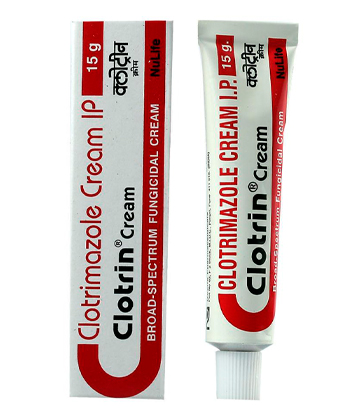
- The usual dosage of ketoconazole cream or shampoo is to apply 1-2 times a day for skin infections, and for seborrheic dermatitis, it is advised to use the shampoo 2-3 times a week.
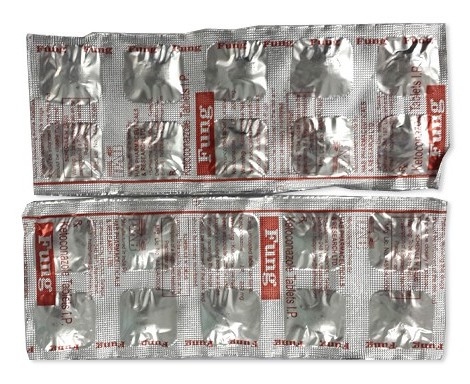
- The form of administration includes topical applications (cream, shampoo) and oral tablets.
- The effect of the medication starts within several hours for topical forms, while oral forms may take longer.
- The duration of action for topical forms typically lasts for hours, while the oral formulation (when used) may provide effects for several days.
- Alcohol should not be consumed when using oral ketoconazole due to an increased risk of hepatotoxicity.
- The most common side effect is local irritation or itching at the application site for topical formulations.
- Would you like to try ketoconazole without a prescription?
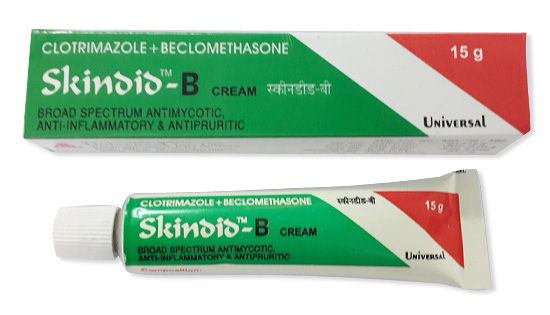

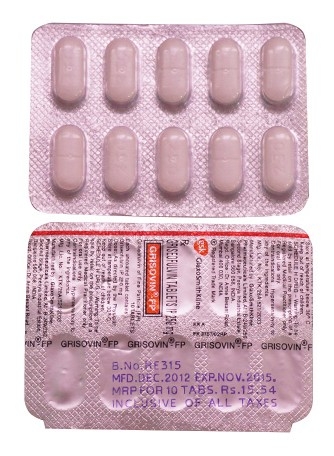
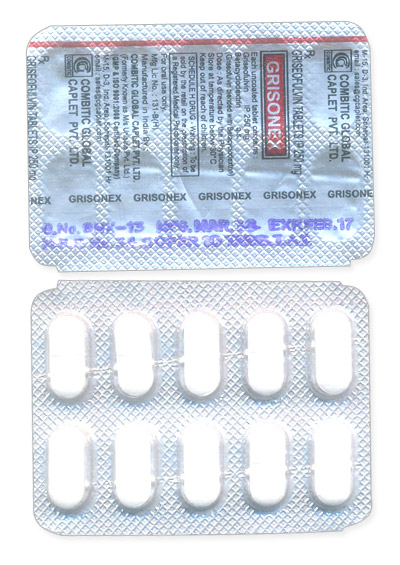
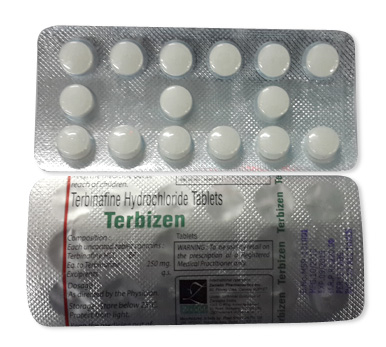
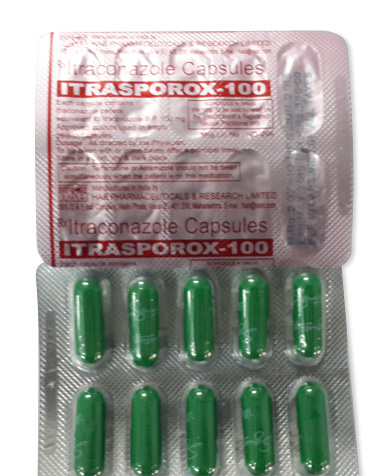
Basic Ketoconazole Information
• International Nonproprietary Name (INN): Ketoconazole • Brand Names Available in Canada: Nizoral, Fungoral, Ketoderm • ATC Code: D01AC08 • Forms & Dosages: Tablets (200 mg), Cream (2%), Shampoo (2%) • Manufacturers in Canada: Janssen-Cilag, Johnson & Johnson, Mylan • Registration Status in Canada: Prescription only for oral forms; topical forms available OTC • OTC / Rx Classification: Some topical formulations available without prescriptionEveryday Use & Best Practices
When using ketoconazole, its application varies based on personal lifestyle and routine. Most Canadians find it easier to apply topical treatments such as creams and shampoos in the evening. This allows the product time to work overnight, maximizing its effectiveness against conditions like seborrheic dermatitis and dandruff. For oral forms, tablets should be taken consistently at a preferred time, either morning or evening. This helps maintain stable drug levels within the body, ensuring effective treatment. Specifically, integrating ketoconazole shampoo into your regular hair washing schedule can enhance its efficacy. Using it twice weekly may lead to noticeable improvements in scalp health.Taking With or Without Meals
The administration of ketoconazole tablets can occur with or without meals. However, taking them with food might help reduce gastrointestinal side effects such as nausea. In the context of the diverse Canadian diet, it’s advisable to select balanced meals that are not excessively high in fat, as this could influence the medication's absorption negatively. A typical Canadian meal might include:- Fruits and vegetables
- Lean proteins
- Whole grains
Safety Priorities
Certain individuals need to be cautious when using ketoconazole. Health Canada specifies that pregnant and breastfeeding women generally should avoid oral forms of ketoconazole due to potential risks to the fetus or infant. Additionally, those with a history of liver disease or those taking medications that may interact with ketoconazole should avoid its use. This includes individuals on certain antifungals and those taking drugs that prolong the QT interval. Discuss any concerns with a healthcare provider to evaluate risks and ensure safe treatment options are pursued.Activities to Limit
Using ketoconazole, particularly in its oral form, may lead to dizziness or fatigue. Caution is advised for activities requiring alertness, such as driving or operating heavy machinery. For individuals engaged in physically demanding work, it's essential to monitor how ketoconazole impacts focus and coordination. Ensuring adequate rest before undertaking such activities is advisable. Employers should be informed about any side effects that might affect workplace safety. Leveraging awareness of how your body responds to ketoconazole is vital for maintaining your safety and the safety of those around you.Dosage & Adjustments
The appropriate dosage of ketoconazole hinges on its formulation and the condition being treated. For topical applications, adults usually use 2% strength formulations. The cream is often applied once or twice daily for skin infections, while the shampoo may be used once or twice a week specifically for dandruff conditions. Before use, verify the Drug Identification Number (DIN) for ketoconazole products in Canada to ensure authenticity and safety compliance. Following healthcare provider instructions for dosing is critical for enhancing treatment effectiveness and minimizing potential side effects.Special Cases
Dosing adjustments can be necessary for specific populations. Elderly patients may exhibit increased sensitivity to medications; hence, focusing on topical alternatives instead of oral forms is advisable due to the heightened risk of side effects. In children, oral ketoconazole use is rare due to a lack of well-documented safety data; thus, topical forms should be prescribed cautiously. Patients with comorbid conditions, particularly those affecting the liver or kidneys, need careful monitoring. This might involve limiting or modifying their ketoconazole regimen. Close collaboration with healthcare professionals is essential to tailor an appropriate treatment plan, especially for vulnerable groups such as the elderly and children.User Testimonials
Positive reports from Canadian patients
Many Canadian patients report positive experiences with ketoconazole, particularly for treating dandruff and seborrheic dermatitis. Users appreciate its effectiveness in reducing scaling and irritation, often noting significant improvements after just a few treatments.
Testimonials frequently highlight the quality of life improvements, as consistent use of ketoconazole shampoo cleared their scalp conditions. Several users also mention using ketoconazole cream with success for localized skin infections, praising its quick action and minimal side effects.
Overall, patient satisfaction is high, helping boost confidence in ketoconazole as a reliable treatment option.
Common challenges in forums
Conversely, discussions on platforms like Reddit and health boards reveal some challenges patients face while using ketoconazole. Common complaints include initial scalp irritation or an oily residue left after shampooing. Some users express frustration with inconsistent results, noting that while it works well for some, others do not achieve the same level of effectiveness.
There’s also rising concern about potential hair loss when using ketoconazole shampoo, though clinical evidence supporting this is limited. Engaging with healthcare providers about these issues can help facilitate more personalized care and strategies to address these challenges.
Buying Guide
Pharmacy sources
In Canada, ketoconazole products can be purchased at major pharmacy chains, including Shoppers Drug Mart, Rexall, Jean Coutu, and London Drugs. Availability may vary; therefore, checking local stock online or directly calling your nearest outlet is recommended.
Many pharmacies provide both prescription and over-the-counter options for topical formulations like creams and shampoos, while oral forms often require a prescription. It's prudent to compare prices among these pharmacy chains via their websites or apps, as promotions and discounts can frequently change.
Additionally, inquire about loyalty programs that could provide further savings on your purchases.
Price comparison
When looking to buy ketoconazole, price disparities may exist between in-store and online purchases. Online retailers may offer competitive pricing, but consider shipping costs and delivery times. It's essential to purchase from reputable sources to ensure product authenticity, especially when shopping online.
Cross-border shopping from the U.S. may also be an option, with varying regulations on purchasing prescription drugs; however, Canadians must remain cautious about customs regulations. Many patients find that the national pharmacy chains often have fair pricing and convenience, eliminating any concerns about procurement and quality.
What’s Inside & How It Works
Ingredients overview
Ketoconazole is an imidazole derivative antifungal that functions through a unique mechanism, targeting fungal cell membranes. Its primary therapeutic ingredient, ketoconazole, works by inhibiting the synthesis of ergosterol, an essential component of fungal cell walls. This disruption prevents fungal growth and leads to cell death, effectively treating infections.
In formulations such as shampoos, creams, and tablets, additional inactive ingredients help deliver the active compound in therapeutic doses while ensuring consistency and stability. Patients should always check ingredient lists for any potential allergens or irritants.
Mechanism basics
Ketoconazole's antifungal action primarily stems from its ability to inhibit the enzyme lanosterol 14-alpha-demethylase, disrupting the conversion of lanosterol to ergosterol in fungi. This mechanism compromises the integrity of the fungal cell membrane, ultimately leading to cell lysis and death.
Ketoconazole is effective against various dermatophytes and yeasts, including those responsible for conditions like dandruff and ringworm. While initially used predominantly in oral formulations, the oral route has seen restrictions due to safety concerns.
As a result, topical applications have become more prevalent in Canada, with patients effectively managing skin infections through creams and shampoos.
Main Indications
Approved uses in Canada
In Canada, ketoconazole is primarily approved for dermatological use, targeting fungal infections such as seborrheic dermatitis, tinea versicolor, and other superficial mycoses. The 2% shampoo formulation is particularly popular for treating dandruff, providing symptomatic relief through its antifungal properties. Additionally, the cream formulation serves well for localized infections, helping manage conditions like athlete's foot and ringworm. Patients should follow healthcare provider recommendations regarding the specific use of these products for effective treatment.
Off-label uses by Canadian physicians
Canadian physicians may prescribe ketoconazole off-label for conditions like acne due to its antifungal properties, especially when conventional treatments have failed. Some dermatologists report success in managing other inflammatory skin disorders, thanks to ketoconazole's anti-inflammatory characteristics. Moreover, it is occasionally used in a combination therapy approach with other antifungals or topical medications. However, off-label use should be undertaken with caution, ensuring a robust understanding of the patient's specific condition and potential interactions with other treatments.
Interaction Warnings
Food interactions (alcohol, caffeine)
Patients taking ketoconazole should be mindful of potential food interactions. Alcohol consumption can increase the risk of liver toxicity; thus, it's generally advisable to limit or avoid alcohol while using ketoconazole. Additionally, caffeine intake may need to be moderated, as it can amplify certain side effects of ketoconazole, such as jitteriness or increased heart rate. A balanced diet rich in nutrients can aid overall liver health, particularly while undergoing antifungal treatment. Discussing any dietary concerns with a healthcare provider ensures comprehensive care during treatment.
Drug conflicts (Health Canada database)
Health Canada warns of potential drug interactions with ketoconazole, especially with medications that affect the liver's enzyme systems, such as other antifungals (itraconazole, fluconazole) or certain antiepileptics. Products containing caffeine or medications prolonging the QT interval may also enhance adverse effects. Patients should provide their healthcare providers with a complete list of medications, including over-the-counter drugs and supplements. Regular consultation, including checking the Health Canada Drug Interaction Database, can help mitigate any risks associated with concurrent medication use.
Latest Evidence & Insights
Recent studies stress the importance of continued research into the efficacy and safety profiles of ketoconazole. A study published in the Canadian Pharmacists Journal demonstrated that topical ketoconazole continued to be effective against seborrheic dermatitis, outperforming some newer treatments. International data suggests a decline in off-label oral usage due to serious concerns about hepatotoxicity. Adopting evidence-based practice in pharmacotherapy can ensure that Canadian patients receive improved care standards consistent with the latest findings.
| Study/Journal | Findings |
|---|---|
| Canadian Pharmacists Journal | Efficacy in seborrheic dermatitis |
| International Journal of Dermatology | Decline in oral usage due to safety concerns |
| British Journal of Clinical Pharmacology | Safety profiles in off-label uses |
Alternative Choices
Alternatives to ketoconazole for fungal infections include:
| Medicine | Pros | Cons |
|---|---|---|
| Fluconazole | Broad-spectrum antifungal | Risk of drug interactions |
| Itraconazole | Effective for systemic infections | Hepatotoxicity risk |
| Clotrimazole | Effective for localized infections | Limited to topical use |
| Terbinafine | Fast-acting for nail fungus | May cause liver issues |
Each alternative has its indications, contraindications, and efficacy rates based on specific fungal infections. Consulting with a healthcare professional is essential to determine the best choice for individual needs.
Regulation Snapshot
Ketoconazole is classified under prescription-only regulation due to concerns associated with its oral forms, particularly hepatotoxicity. Although topical formulations remain available for over-the-counter purchases at pharmacies, all ketoconazole products require a Drug Identification Number (DIN) for tracking and safety monitoring. This regulation ensures the quality and authenticity of the medicine, protecting consumers against counterfeit products. Always check the DIN on packaging for assurance, and stay informed about changes in Health Canada's guidelines regarding ketoconazole’s approved uses and formulations.
FAQ Section
1. Can ketoconazole shampoo be used daily?
It is recommended to use ketoconazole shampoo 2–3 times a week unless otherwise directed by your healthcare provider.
2. Does ketoconazole cause hair loss?
Some patients may experience hair thinning, although research shows no direct link between ketoconazole and increased hair loss.
3. Can I use keratolytic agents with ketoconazole?
Yes, but consult your healthcare provider first, as combining treatments may lead to interactions.
4. Is it safe to use ketoconazole cream on my face?
While it can be used on the face for certain conditions, ensure to follow guidelines provided by your healthcare provider to avoid irritation.
Guidelines for Proper Use
Pharmacists recommend adhering to specific guidelines while using ketoconazole. Always follow prescribed dosages and application instructions, maintaining a routine for preventative care when dealing with dandruff or other skin conditions. For shampoo, allow a few minutes for the product to work before rinsing. If using topical cream, cleanse the area and apply a thin layer to the affected skin. Monitor for side effects, especially post-application irritation, and discuss any concerns with your pharmacist. Regular follow-ups with healthcare providers are advised to evaluate the effectiveness of the treatment and make adjustments according to health authority recommendations.
| City | Region | Delivery Time |
|---|---|---|
| Toronto | Ontario | 5–7 days |
| Vancouver | British Columbia | 5–7 days |
| Montreal | Quebec | 5–7 days |
| Calgary | Alberta | 5–7 days |
| Ottawa | Ontario | 5–7 days |
| Edmonton | Alberta | 5–7 days |
| Quebec City | Quebec | 5–9 days |
| Winnipeg | Manitoba | 5–9 days |
| Halifax | Nova Scotia | 5–9 days |
| Saskatoon | Saskatchewan | 5–9 days |
| Victoria | British Columbia | 5–9 days |
| Regina | Saskatchewan | 5–9 days |